

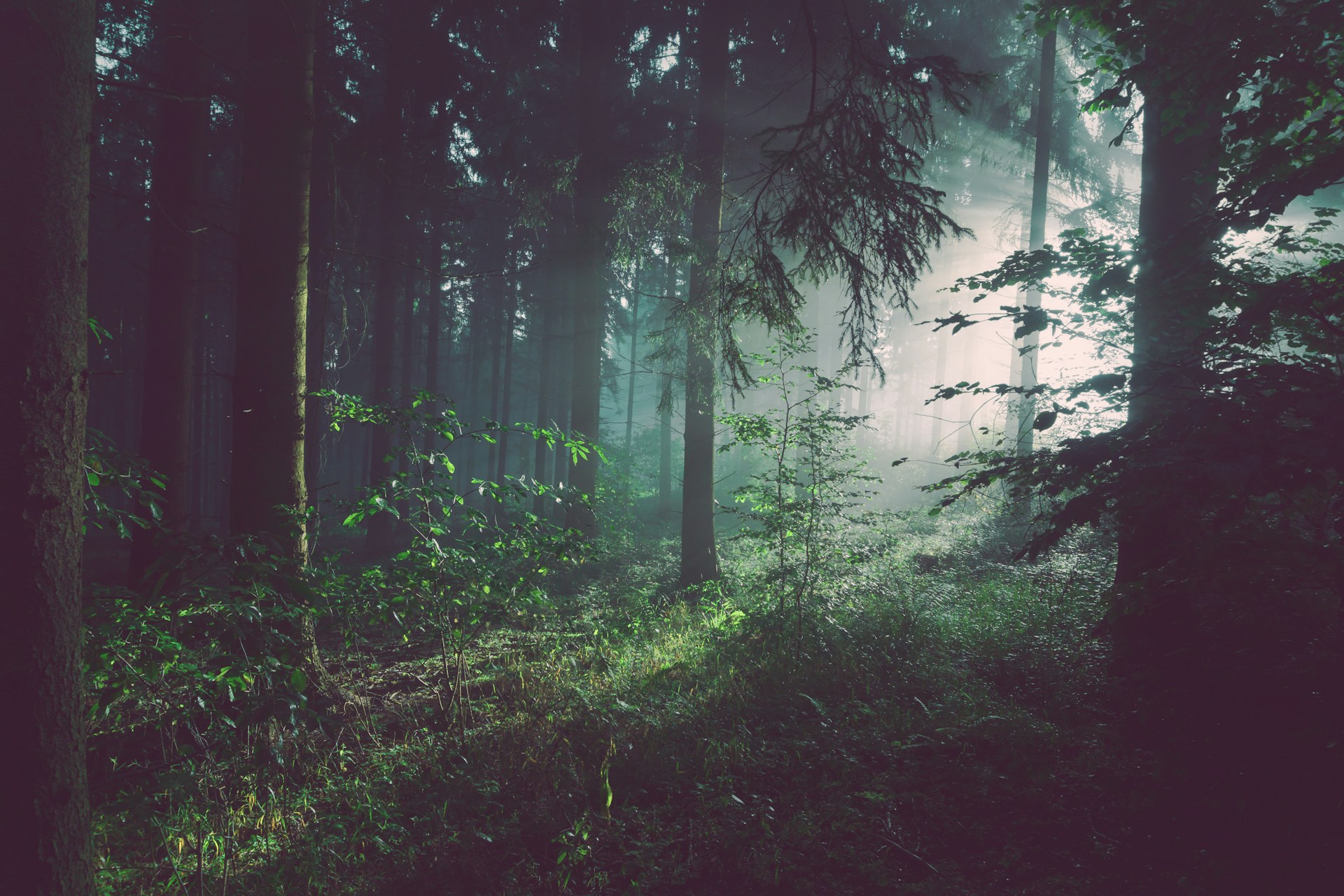
Our beautiful planet Earth is known for its variety of rich ecosystems where a diverse range of species are found and coexist peacefully. Did you know that it is estimated that there are more than 8.7 million different species on our planet? That’s wild! The majority of these species are undiscovered, meaning they are unknown to us. The extreme amount of biodiversity is what makes ecosystems healthy and our planet functional. However, in recent years, there have been species that have become endangered or completely extinct, threatening our planet’s diversity. This is known as biodiversity loss.
What is Biodiversity Loss?
Biodiversity loss is the decline in the variety of life on Earth. According to the UN Convention on Biological Diversity, it is estimated that up to 150 different biological species are lost every day. Biodiversity loss happens in the form of the extinction of a species due to a variety of reasons.
What are the reasons for this to happen?
The majority of the causes for biodiversity loss are human-made. Reasons include habitat loss, climate change, pollution, the introduction of invasive species and much more. Habitat loss is one of the leading causes of biodiversity loss as it involves using natural habitats for human use. Many forests and natural lands, home to a variety of animal species, are being destroyed for human use, such as infrastructure.
Climate change, a cause for many global issues, is also a major reason for biodiversity loss. Rising temperatures cause major disruptions in the lifestyle of many different species, which slowly forces them out of their natural habitats.
Pollution, another cause of biodiversity loss, is produced from various human sources like pesticides and plastics, which contaminate the air, soil and water that is used by many endangered species. Another major reason for biodiversity loss is invasive species. This is when non-native species are introduced to an ecosystem, which disrupts natural ecosystems and causes competition among species for resources. Other human causes for biodiversity loss include overfishing, overhunting, deforestation and much more.
How does Biodiversity loss affect us and the planet?
Biodiversity loss is a serious issue that affects not only the natural ecosystems but also us humans. First and foremost, biodiversity is the key for ecosystems to run safely in many aspects. For example, biodiversity is vital for soil health as there are various species which help keep soil fertile and rich in nutrients for others to use. Biodiversity loss also affects the medicine industry significantly, as many vital medicines are created from various niche herbs and plants that are slowly becoming threatened. Biodiversity helps the environment in various ways, and it is important to maintain it and take steps to prevent biodiversity loss.
What can we do to prevent Biodiversity Loss?
There are lots of ways we can help promote and increase biodiversity. Here are the main ways we can help prevent biodiversity loss:
-
- Advocating for sustainable energy production: Choosing renewable and safer alternatives for producing energy, like solar and wind, will significantly help prevent the biodiversity loss we are facing now.
- Spend your time volunteering at local animal shelters and projects that aim to promote biodiversity.
- Reducing your carbon footprint: Pollution and carbon emission is a major reason for biodiversity loss. So taking steps like using public transportation and shopping locally reduces the amount of harmful gases we emit into our atmosphere.