

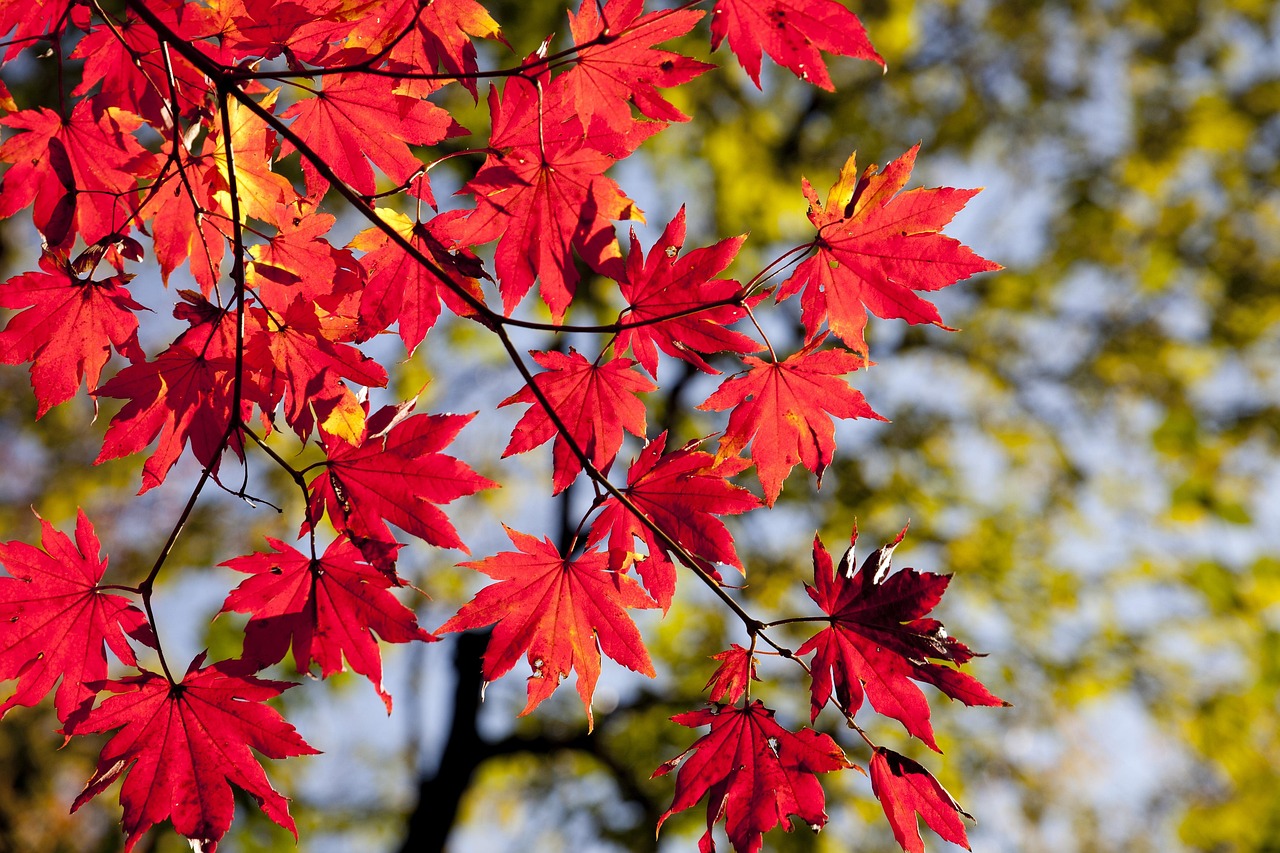
Image by HeungSoon from Pixabay
I think all of us, having lived in Canada, have tasted one of the best breakfast combinations; pancakes with that distinct sweetness of maple syrup! There is no doubt that maple syrup is an essential part of Canada’s national identity, but I always wondered, why so? If you have pondered upon the same question as me, then keep on reading because this blog is all about why Canada and Canadians love maple syrup so much.
Although Canada is the world’s biggest exporter of maple syrup, exporting more than 70% of the world’s maple syrup, the economic benefits that this industry provides to Canadians is not maple syrup’s only role. Instead, it has deep roots in Canadian history, with origins coming from several Indigenous communities.
Indigenous Origins of Maple Syrup:
Before European colonization, Indigenous groups such as the Anishinaabe, Mi’kmaq, Haudenosaunee, and Abenaki had developed their own tools which they used to tap trees to access what they called “sweet water.”
These Indigenous groups live in the area known as the “Maple Belt,” comprising the hardwood deciduous forests from the midwestern United States across Ontario, Quebec, New Brunswick, Nova Scotia, and Prince Edward Island, and had access to red, black, and sugar maples.
The Anishinaabe and other Indigenous groups in this region start their maple syrup extraction in a season which they call “maple moon” or “sugar month,” when temperatures rise above freezing. The process of tapping a maple tree would be done by cutting a small hole in the tree, and inserting a spile to direct the sap from the tree into a handmade birch-bark bucket placed nearby. The sap would be left in the cold to separate the lighter water from the heavier, viscous sugar syrup.
Maple syrup continues to be a major part of the Indigenous lifestyle. It is used as a sweetener, anesthetic, and for meat preservation in many communities.
Through trade and contact with European settlers, this knowledge of tree tapping was passed on by the Indigenous communities, serving as a start to the maple syrup industry.
A symbol of Canadian Identity:
There is no doubt that the maple leaf and maple syrup are an essential part of the Canadian identity. For example, the maple leaf is at the center of our flag, and bottles of maple syrups are sold in gift shops across the country.
Sugar shacks, small cabins where sap is boiled to process maple syrup, are visited by several Quebecois and French Canadian families, as Quebec is the province that produces the most maple syrup in Canada, and by children in Ontario as part of fieldtrips.
TL;DR
Although maple syrup is important for Canada’s economic growth and global recognition as the world’s largest producer of maple syrup, it also has a rich history stemming from the practices of Indigenous groups. The maple syrup represents Canada’s interconnectedness, and is a symbol of the shared cultural practices that builds Canadian society.
Sources:
The Roots of Canadian Maple Syrup – Toronto and Region Conservation Authority (TRCA)
As a Canadian, I didn’t realize maple syrup holds so much history and culture! This post really opened my eyes to its importance beyond just being a Canadian breakfast staple.
Comments are closed.