

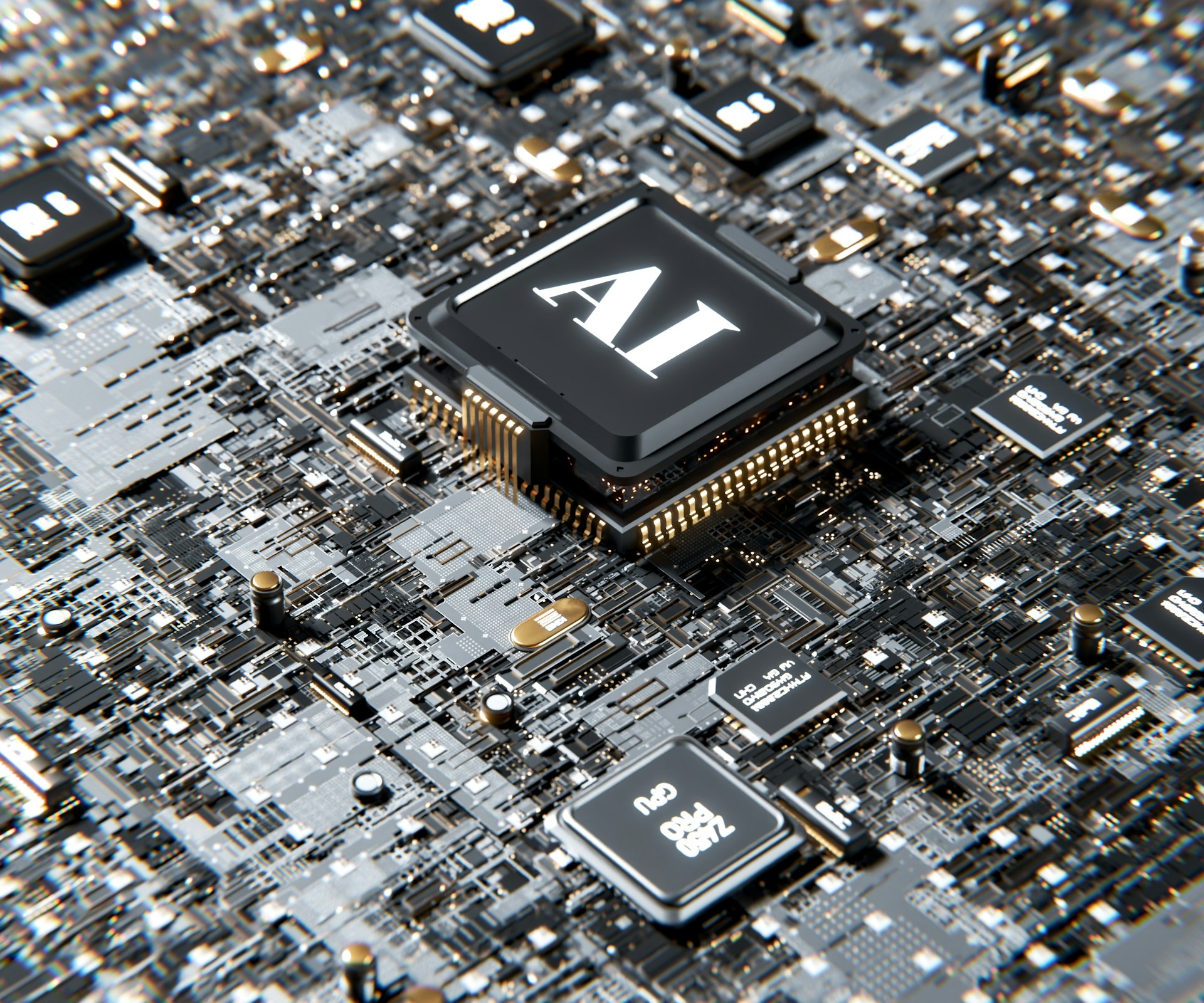
When classrooms go dark, the glow of the screen promises strong learning. But how much of education can AI and the Internet really replace?
With the Alberta Teachers’ Strike going strong on its second week, thousands of students aren’t able to go to school. While it gives a great opportunity for students to take an early fall break, it’s also a massive interruption in their learning. To supplement missed classroom time, the government has provided worksheets for students at home, and left online education platforms like D2L open.
However, this shift toward online learning feels familiar. It’s almost like the COVID pandemic, with students learning from home in a more isolated environment. Video recordings and powerpoint presentations can only go so far, so many are also leaning on AI to assist.
Benefits of AI
Much of classroom learning has been geared toward pulling students away from utilizing artificial intelligence for fear of plagiarism and unreliable information. These worries are for good reason, as will be discussed later on, but AI is meant to be a tool above all. So why not use it as such?
Live-Time Tutoring
AI explains and digresses well. Confusing concepts, especially abstract ones in physics and chemistry, can be easily broken down by a machine model. You can also continue to ask it questions if its’ analogies don’t make sense.
Interactive Reading
If you’ve seen any of my Advice posts before, you’ll know that I’m not the biggest fan of passive reading as a method of revision. But with AI tools, you can read interactively. This makes textbook learning an active endeavor instead of falling asleep and drooling over the page.
Use AI to:
- define key terms
- make summaries
- identify themes in literary readings
Study Planning and Time Management
Not a new one for us COVID timers who spent the year learning at home, but it’s definitely my favorite use of AI. If you’re new to the structure though, this can take a while to learn because there essentially is no structure. It’s up to students to keep themselves disciplined, and for those of us who haven’t done that before it can be quite difficult.
Use AI to create study schedules that match around your personal productive periods, your afternoon slumps, and sleep schedule. The best part about using AI for this is that it’s fast, efficient, and personalized. It can also prioritize tasks based on importance and deadlines.
AI’s Limitations in Education
That having been said, it’s critical not to rely too much on AI in the process of learning. As the digital age continues to push youth toward ever-shorter attention spans, learning deeply cannot be done in Tik-tok video speed. We need to remain careful with our uses of technology during the rise of AI because it affects how we function and how we see society.
Cognitive Decline
Everyday AI use decreases critical thinking skills. Before AI, when the internet was the main source of information, students would have to actually find the answers they were looking for in the vast digital internet archives. You’d have to comb through the thousands of search results to find the answer you were looking for, and then have the common sense to evaluate whether or not this information was reliable.
Now, we just ask Copilot.
A lot of the critical thinking that goes into searching, identifying, and evaluating resources is lost when we ask for exactly what we need and trust the information given to us immediately.
We can mitigate the effects of cognitive decline using AI by:
- fact check AI’s information
- use AI to offer alternative viewpoints or challenge your thinking, rather than to think for you
- try to solve problems and understand difficult concepts on your own before turning to AI tools
Inability to Communicate
It seems like 2/3 emails that I receive in my inbox are drafted by AI now. I also use AI to help draft emails when I need to improve my tone or clarity (I like to ramble, if you couldn’t tell).
However, an increased use of AI to digitally communicate with others eventually leads to an inability to write a message independently. Not only does it contribute to the cognitive decline mentioned formerly, but it also stops the need to communicate organically. Human connection is reduced even further.
There’s plenty of resources that can teach you to write a decent email. Heck, even use AI to generate an email template. Just don’t let it do the core of the communication; it’s a tool, not a replacement.
TL;DR
Learning to use AI is imperative to keep up with the times. More and more digital reliance is being built on generative bots and the ability to utilize them efficiently. They can help enhance education by explaining concepts, scheduling time, and refining communication. But be careful how you use these tools; if you become too reliant on them, you might eventually rely on AI to think, act, speak, and create for you too.