

1: Pierre Curie Once Refused the Nobel Prize Without Marie’s Name
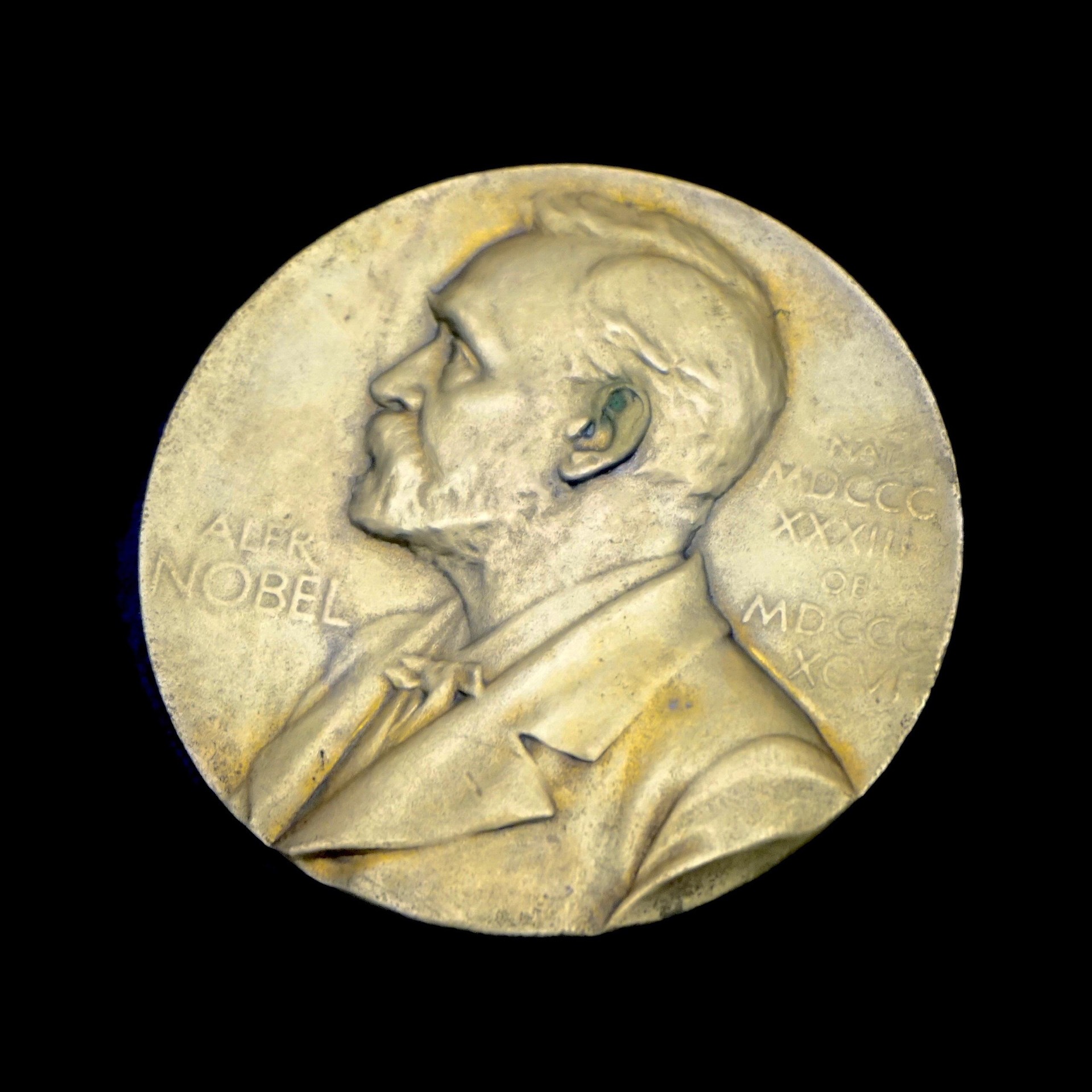
In 1903, a significant event occurred in the history of science. Pierre Curie was nominated for the Nobel Prize in Physics. However, there was a problem. His wife, Marie Curie, was initially excluded.
Pierre refused to accept the prize unless Marie received credit too.
He believed that their discovery was the result of both their hard work. He knew that Marie had led the research and worked just as hard as he did, if not more. Because of Pierre’s strong stand, the Nobel Committee changed their decision. In the end, both Pierre and Marie Curie received the 1903 Nobel Prize in Physics, together with Henri Becquerel.
This moment was not only about science. It was about fairness, respect, and recognizing women’s contributions in a time when women were often ignored.
2: Who are Pierre and Marie Curie?
Marie Curie was born in Poland in 1867. She later moved to Paris to study at the Sorbonne University. She was passionate about science and focused on studying radioactivity, a term she actually created. She discovered two new elements: polonium (named after her homeland, Poland) and radium.
Pierre Curie, born in France in 1859, was also a brilliant physicist. Before meeting Marie, he had already made important discoveries in magnetism and crystals. When they met, they shared the same love for science. They got married in 1895 and became research partners for life.
Together, they worked in a small, simple laboratory under very difficult conditions. Despite limited money and equipment, they made groundbreaking discoveries that changed science and medicine forever.
After Pierre’s tragic death in 1906, Marie continued their work. In 1911, she won another Nobel Prize in Chemistry, becoming the first person ever to win two Nobel Prizes.
3: What We Can Learn About Women in Science?
-
Women deserve equal recognition for their work in science.
-
Talent and intelligence are not defined by gender.
-
Many women in history were overlooked: we must not repeat that mistake.
-
True progress in science happens when everyone is given a fair chance.
-
Supporting women in STEM is not just kindness: it is justice.
Pierre’s decision reminds us that equality in science is not automatic. It requires courage, fairness, and people who are willing to speak up.