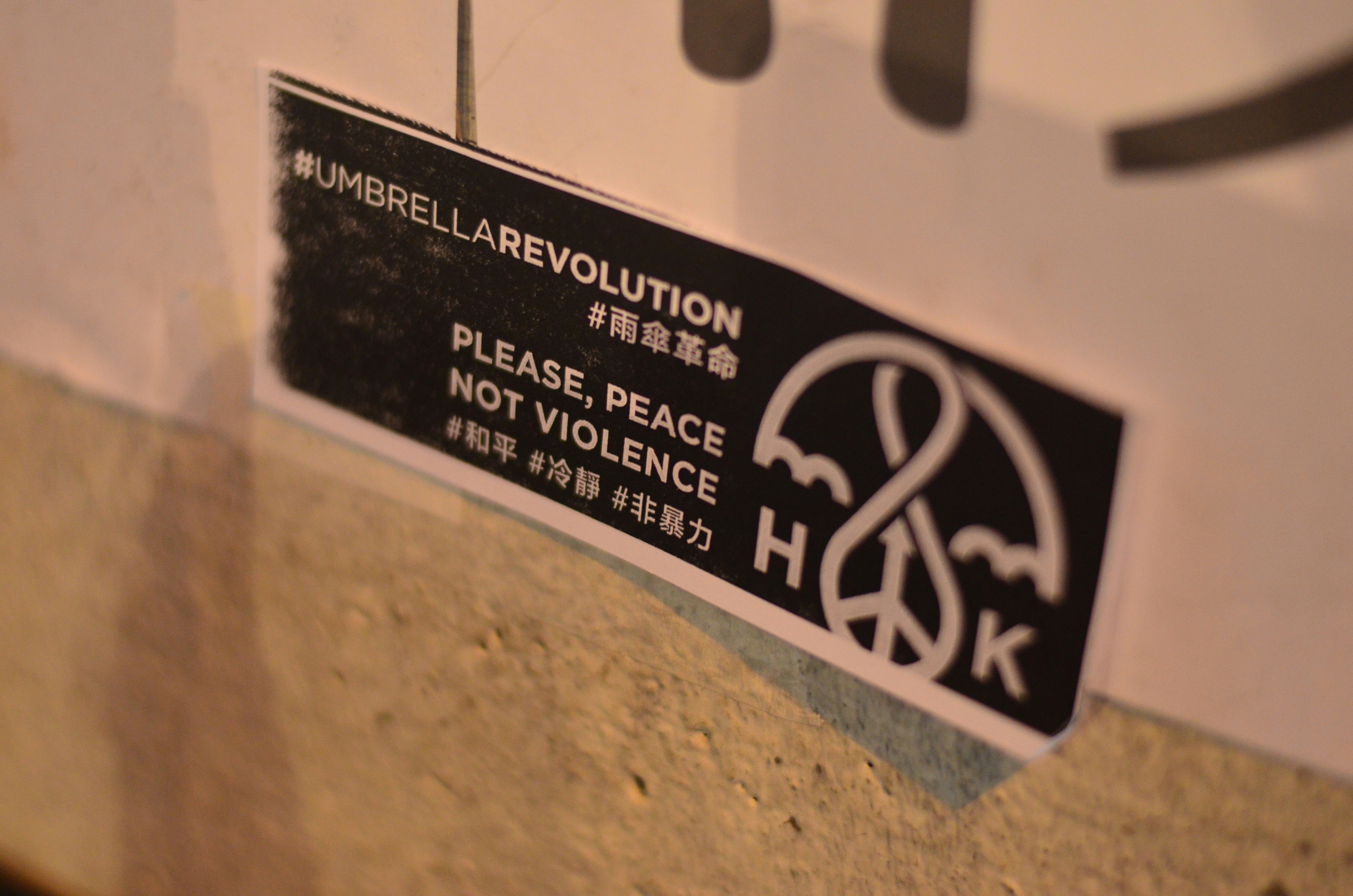

In 2014, throughout Hong Kong, protest crowds erupted demanding democracy.
Hong Kong students had began to critique the government, and many began to vocalize concerns about the government’s system. Beijing’s increase in political control over Hong Kong and suffrage means the citizens’ needs are unmet by the government.
There was a deeply rooted fear among Hong Kong residents that they would lose their autonomy under the rule of the Chinese communist party, and that their rights were growing increasingly scarce with restrictions on freedoms of choice and speech.
The trigger came when, in 2014, the Chinese government announced that candidates for Hong Kong’s Chief Executive would have to be approved by Beijing before running, a clear abolishment of democratic principles.
Student leaders and activists began to speak up about the issue, organizing protests. Additionally, the Hong Kong government’s unwillingness to speak to the public about the issue created more outrage and protests.
After many student leaders spoke out, protests began to spread. Many were influenced by their critiques of the government’s control of emotions and anger towards the Hong Kong government. Peer pressure caused momentum towards protests, making them bigger and bigger, using umbrellas as a symbol of the movement itself.
The crowd did not turn into a mob or riot; however police took their protest as violent and negative. This resulted in violence and brutality from the police. Many medic volunteers at the protest were then pepper-sprayed or hurt in the chaos.
Police using tear gas against peaceful protestors creates more anger and resistance against the government. Social media and documentation of the protests also spread the word, educating others about the matter as well.
The decline stage of the protest took place after both Chinese and Hong Kong government officials refused to budge in their stance or compromise upon their prior stated announcement on the 2014 elections, following more arrests of peaceful protesters, the usage of tear gas, and the inability for many to resume daily life, which caused protesters to retreat unsatisfied.
Today, protests still occur in Hong Kong, and full democracy does not exist, as many of the original demands for greater political freedom and autonomy remain unmet.