
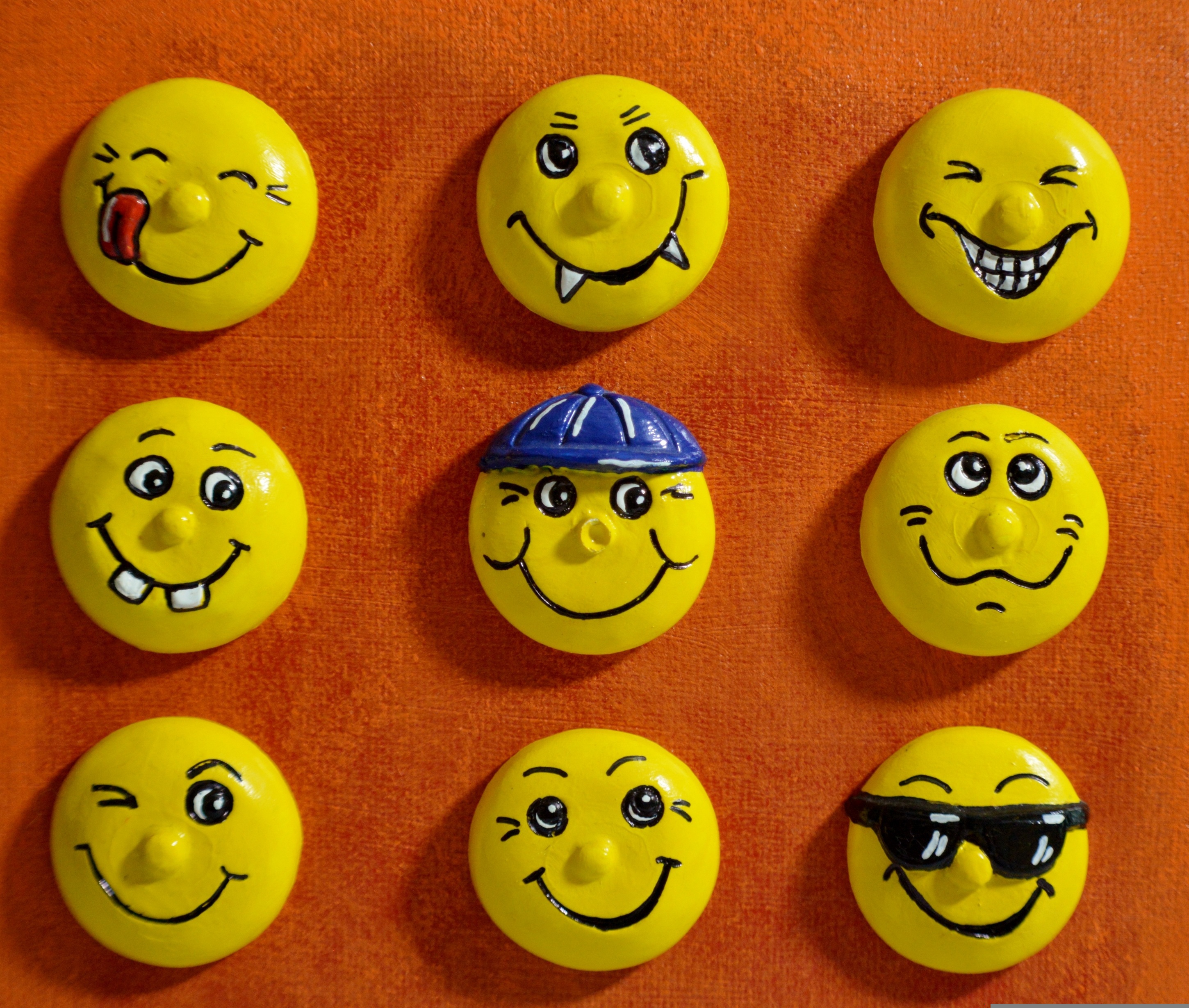

We’ve all experienced an emotion so complex, mixed or specific to a particular situation that we’re incapable of putting it into words. Maybe it’s the calmness of being inside and having your life on pause during periods of bleak weather, or longing for a place you can return to, but that will never be the same. Remarkably, many of these nuanced sensations have words to describe them. Many of these words were developed by psychologists around the world to describe ideas found during their research, and portray deeply complicated but relatable emotions. Below are some of the most interesting:
Monachopsis
If you’ve ever been at a social gathering where you knew a few people but couldn’t help but feel a bit out of place, you’ll understand monachopsis: the quiet, internal dissonance of feeling just slightly in the wrong environment, often compared to a seal just out of the water.
Kenopsia
Kenopsia is described as the eerie feeling one might get in a space normally teeming with people that has been vacated for unknown reasons. Seeing an airport or a movie theatre or some other place where crowds are expected to be completely empty feels unsettling, wrong or unauthorized, simply because you know the context in which you usually experience the place.
Limerence
Crushes can feel impossible to explain, especially when there’s so much your brain and nervous system go through during one- luckily psychologist Dorothy Tennov coined the term “limerence” for the compulsive thoughts and infatuation with a person before knowing much about them, often relying on an idea or ideal one creates.
Chrysalism
As mentioned before, the tranquility and serenity of being safe indoors during heavy rain or a thunderstorm feels comfortable and safe- like all the world’s responsibilities are on pause and that’s ok.
Sonder
Sonder is the profound, often sudden realization that every passerby and stranger that you walk by at a subway station or at a busy concert is living a life just as vivid and complex as your own. Everyone has a childhood, goals, a destination- you are their background noise. This emotion comes on without warning and shows up as a striking realization.
Types of nostalgia (yes- there isn’t just one!)
Vellichor
The wistful nostalgia felt when wandering a used shop (often a bookstore) is called vellichor, and consists of the melancholic knowledge that each paperback contains a story, both within its pages and the places it has been, and that you will never get to know everything each could tell you.
Anemoia
Old photographs and clips of the past with their low resolution graphics and comforting expressions often evoke a sentiment called anemia, where one feels nostalgia for a time or place they never personally experienced. These bits of the past are snapshots of what we consider a simpler time (which we wouldn’t if we had the full story), and only show the pleasant parts of life, like a snapchat story.
Hiraeth
A Welsh word representing a deep, bittersweet longing or yearning for a home, place or time that one can no longer access, hiraeth is one of the most relevant to many living today with the era’s increase of nostalgia due to turbulent times and unique stress factors. Hiraeth often denotes nostalgia for a place you can physically return to but would never “be the same”- perhaps the childhood home your mind has sanctified.
Types of existentialism
Onism
The realization that you are limited to a single set of choices and a single path in life and that this confines your existence and experiences.
Occhiolism
The belief / sensation that you will never experience the full grandness of the universe as the scale is too massive and this prevents you from making meaningful conclusions about the world. Occhiolism can feel unsettling and stressful or comforting- your mistakes on the test don’t actually influence the fate of Earth.
Hopefully something in the list felt familiar, and it encourages you to start noticing and naming your emotions with new depth. These words are only the beginning- there are so many feelings out there you may not have the words for yet.