

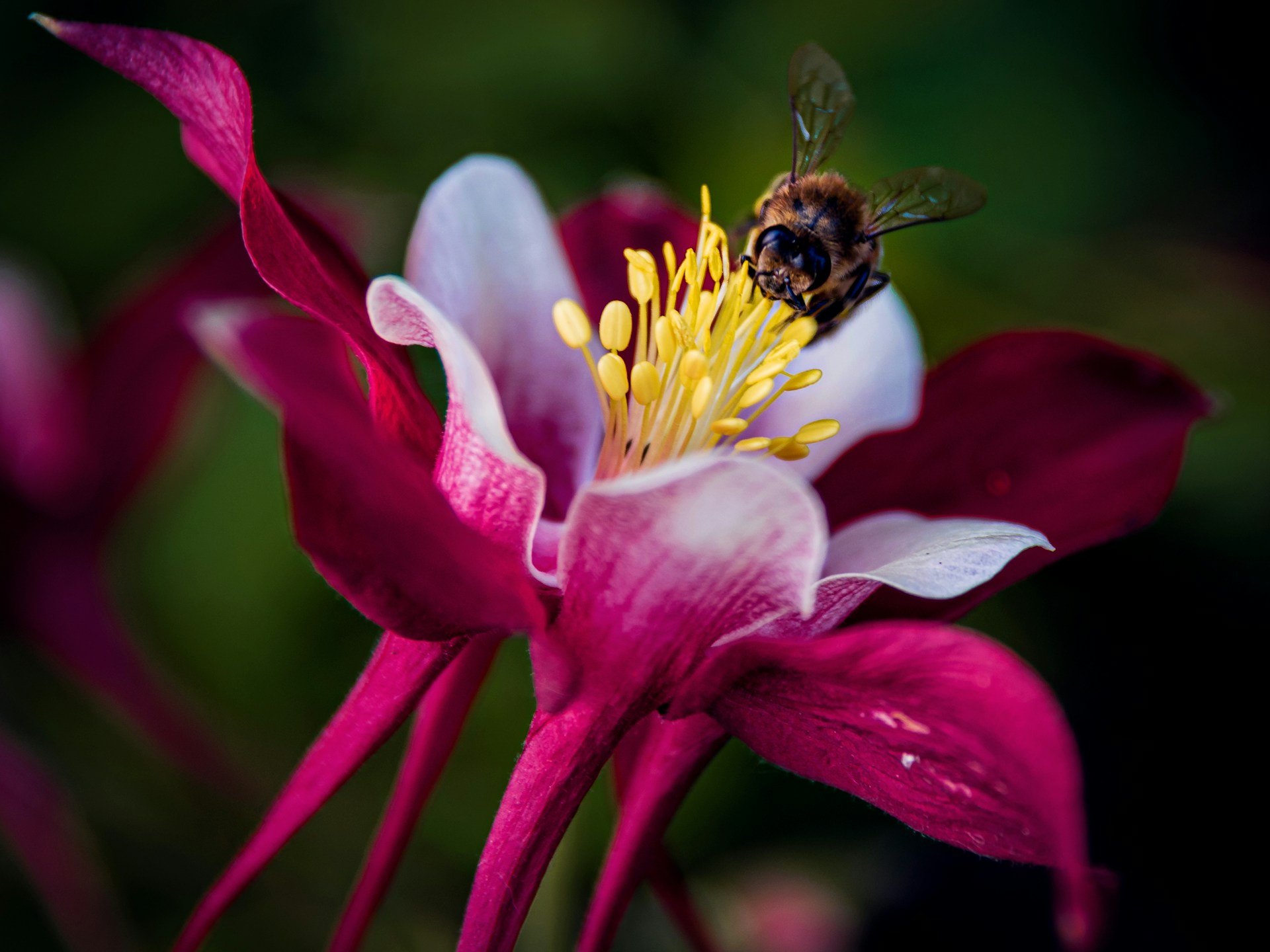
Spring is by far my favourite season; the smell of fresh rain in the morning, the beautiful flowers blossoming, and the sound of songbirds serenading you. I always know my favourite season is upon us from these cues, but how do the plants know when to start blooming? Despite their simple appearances, plants are complex organisms with receptors and chemicals all working together to assist in the blossoming of spring.
Photoperiodism
One of the ways a plant can “tell the time” is by using a mechanical response called photoperiodism. Receptors in plants can determine whether to start blossoming based on the duration of light they can detect. Some species start flowering when the hours of daylight increase, others when the hours of daylight decrease.
Plant Growth Regulators
PRGs are chemicals released by plants to stimulate different types of growth, whether it be suppressing or increasing growth, based on the surrounding environment.
Auxins
Auxins increase growth in the shoots of plants. However, at high concentrations, auxin can also inhibit bud growth.
Gibberellins
Gibberellins are primarily used for cell elongation, and are used to increase plant height, germinate seeds and make fruits larger.
Cytokinins
This hormone promotes cell division (cytokinesis) in roots and shoots of plants, aiding in growth.
Why This Matters?
These were just a brief overview of some of the complex systems involved in the growth of plants, but why are they needed in the first place?
Many plants require very specific conditions for growing; these regulations can ensure they grow at the right times to ensure maximum productivity and efficiency. For example, some seeds require a period of dormancy and exposure to coldness so they can properly grow; this is called vernalization. Additionally, determining the proper time to grow is essential, as there are many other factors that contribute to plant growth. For example, pollinators are vital to plant reproduction, so plants must accurately time their growth for when pollinators are available.
Spring into the Ending
Knowing the systems involved in the blossoming of plants, as well as the intricacy of our environments, provides a deeper appreciation of the beauty and complexity of it all. The next time you’re admiring a beautiful flower, be thankful for all the steps that had to be completed correctly for this beautiful masterpiece in front of you!