

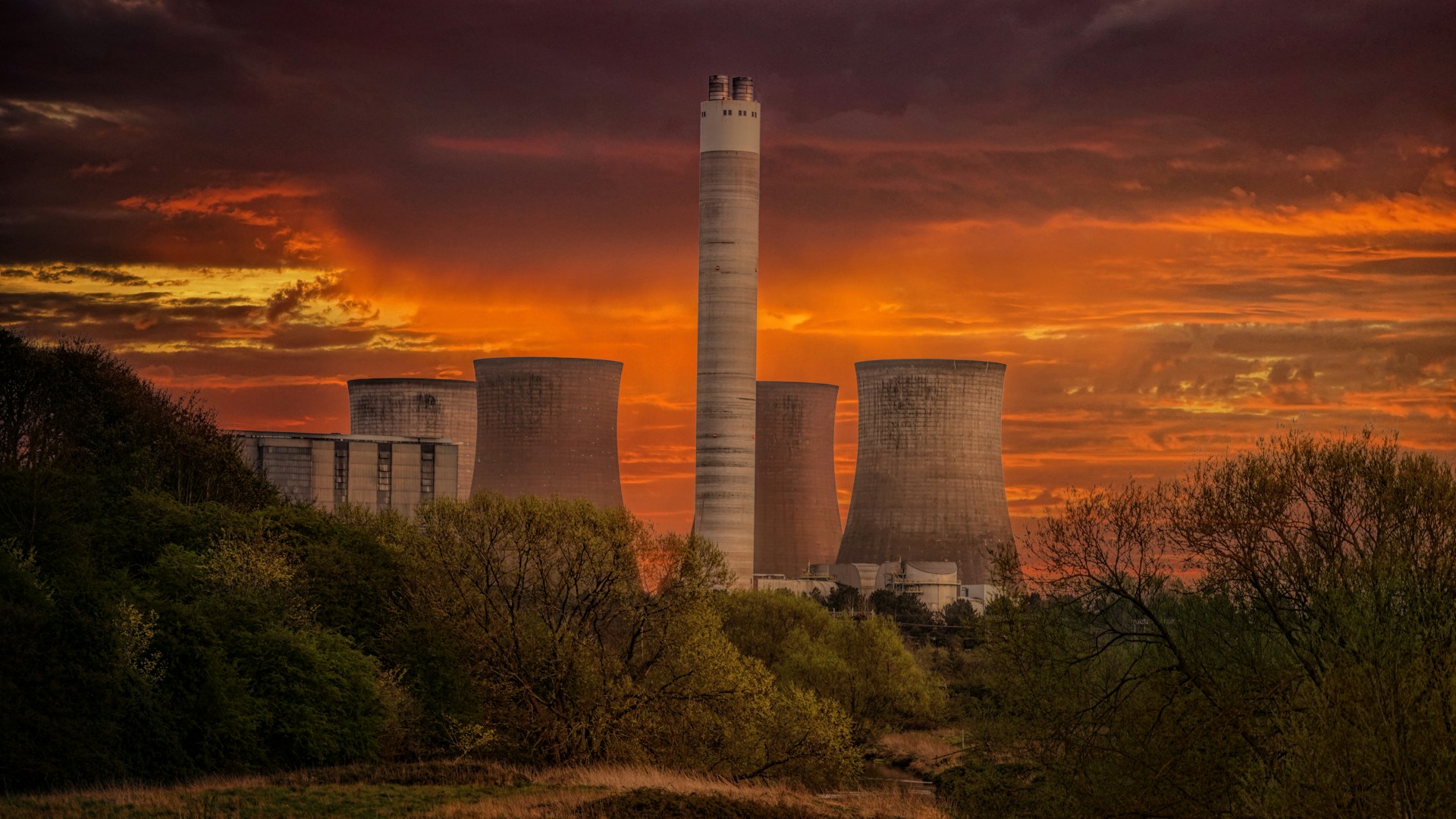
For centuries, humans have relied on fossil fuels like coal and natural gas for energy and power on our planet. However, these energy sources have numerous impacts on our ecosystems and our planet. After years of research, we have developed various clean and green energy sources, from solar energy to nuclear. In this blog post, we will take a deep dive into the world of nuclear energy. You will learn how nuclear energy is used to generate electricity on a large scale, what the benefits and drawbacks of using nuclear power are, and its future.
Source of Nuclear Energy and How it is Used
Nuclear Energy is produced from the nucleus of atoms, primarily through nuclear fission. Nuclear fission happens when a neutron strikes an atom, commonly uranium, causing it to split, releasing immense heat and more neutrons, starting a chain reaction. The mass of the products is smaller than the mass of the reactants, where the missing mass (mass defect) is released as energy. This energy can be calculated using Einstein’s mass-energy equivalence formula E = mc². Power plants use nuclear fusion to produce heat, which produces steam to drive massive turbines to generate electricity. There are different types of reactors, each of which has slightly different processes.
Here are some advantages of using Nuclear Energy:
- Low Carbon Emissions: Unlike traditional energy sources, Nuclear energy production produces zero harmful greenhouse gases.
- Highly efficient and Reliable: Nuclear energy is highly efficient due to its extreme density, and it can be operated at any time. Nuclear energy is also considered to be the most efficient energy source.
- Small Land footprint
- Can be produced on a large scale
- Affordable for long-term
Here are some disadvantages of using Nuclear Energy:
- Expensive to build power plants and set up generators: Though Nuclear energy is very affordable for production, the initial setup process is very expensive.
- Risk of rare catastrophic accidents: Though rare, there have been a few catastrophic incidents that have caused nuclear meltdowns, like Fukushima, which is a major fear of nuclear energy.
- Requires careful waste management
- Energy can be used to create nuclear weapons, posing a global threat.
Nuclear energy is preferred over traditional sources of electricity as it is a zero-emission, highly efficient and consistent power source that contributes to sustainability. Though nuclear power plants are initially expensive to set up, they is very economically friendly for long-term power generation.
Feasibility, Future and Nuclear Fusion
Nuclear energy, in the form of nuclear fission, is highly feasible and is already a dominant source of energy in various countries. Another form of nuclear energy is through nuclear fusion, which involves combining two light atoms into one, releasing large quantities of energy. Nuclear fusion is how the sun produces vast quantities of energy. Though nuclear fusion is much more sustainable than nuclear fission, the production of energy using nuclear fusion is still under research by scientists, and we have yet to build the first nuclear fusion power plant. Overall, nuclear energy in the form of nuclear fission is a highly sustainable method of producing electricity and is considered to be a green energy source.