


Animated movies have shaped cinema for all ages. Throughout the years, we have all been introduced to some sort of cartoons, whether it be Cinderella, Cars movies, Despicable Me, The Lego Movie, Marvel, etc. Animated movies have been sparking imagination and creativity in young minds for decades. In this article, we will explore the fascinating journey of animation from the first ever animated film to the future techniques that will change animation once again.
Where it Began:
Early animations set the foundation for new discoveries in the industry. The Humorous Phases of Funny Faces, composed by J. Stuart Blackton in 1906, used standard picture film to create an animation. While the 3-minute film shows a mix of animation and physically drawn characters, it was a huge success at the time. Soon after, in 1908, Fantasmagorie became one of the first fully animated films made through double-exposed drawings. This simple 2-minute-long movie consisted of 700 individual drawings that were arranged in a stop-motion technique. The producer, Emile Cohl, was a French Caricaturist in Paris, and many recognize him as the founding father of animation!
A Digital Shift:

Fast forward to 1937 when Snow White and the Seven Dwarfs came out. By this time, several discoveries around Technicolour, multiplane cameras and cel animation were made. Technicolour allowed for movies to be made in colour with the help of different shades of black and white (monochrome) that would be combined as negatives to make a full positive print with complementary colours. Snow White and the Seven Dwarfs was the first full-length movie to use cel animation throughout. In cel animation, characters would be drawn on celluloid transparent sheets that would be placed on top of various backgrounds to avoid drawing them out every single time. Winnie the Pooh was one of the last times cel animation was utilized, after which most animations shifted to computer animation.
Initially, 2D movies used the Computer-Animated Production System (CAPS) starting with The Rescuers Down Under from 1990. CAPS was a method where hand-drawn characters would be enhanced through the computer with colours, layers and smooth movement. Blockbusters like The Lion King also used CAPS with a combination of Computer Generated Imagery (CGI).
3D Animation
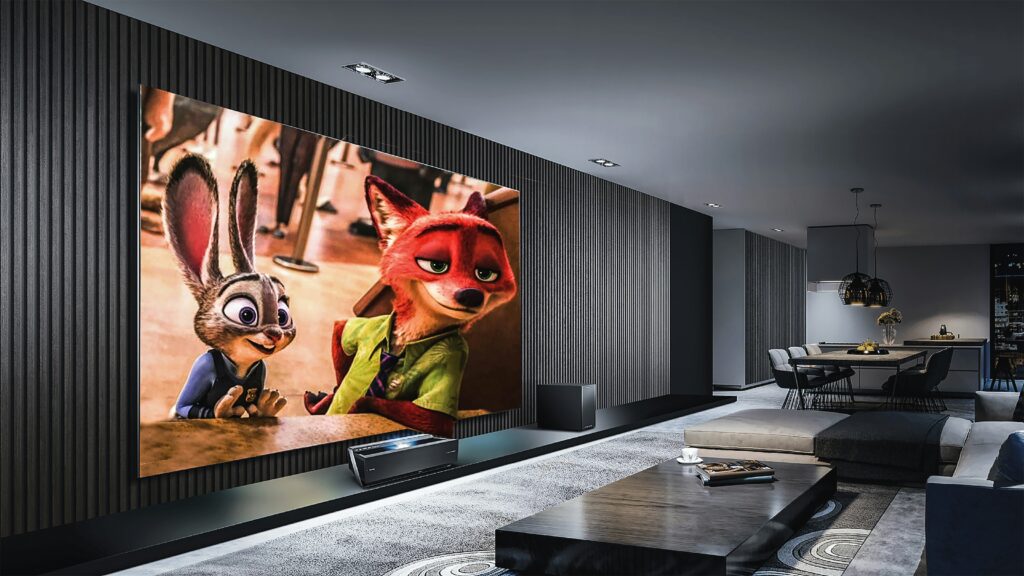
The first full CGI movie was Pixar’s 1996 Toy Story, which brought texture and depth to the theatres. From the plastic details in Buzz’s suit to the stitched fabric on Woody’s skin, Toy Story was a groundbreaking achievement for the animation industry. Soon after, animation started catching the eye of all ages. Cars, The Incredibles, Finding Nemo, Despicable Me, and other computer-animated movies helped create a new genre of movies that shaped our childhood. Fast forward to the release of Avatar, which once again revolutionized the industry. Avatar (2009) used surreal 3D characters with real actors who were integrated through CG character animations. The movie had 800 digitally generated characters with intense detail on the setting. From the first Toy Story to Avatar, which captures the simplest details of human behaviour, animation has truly transformed.
What is Next?
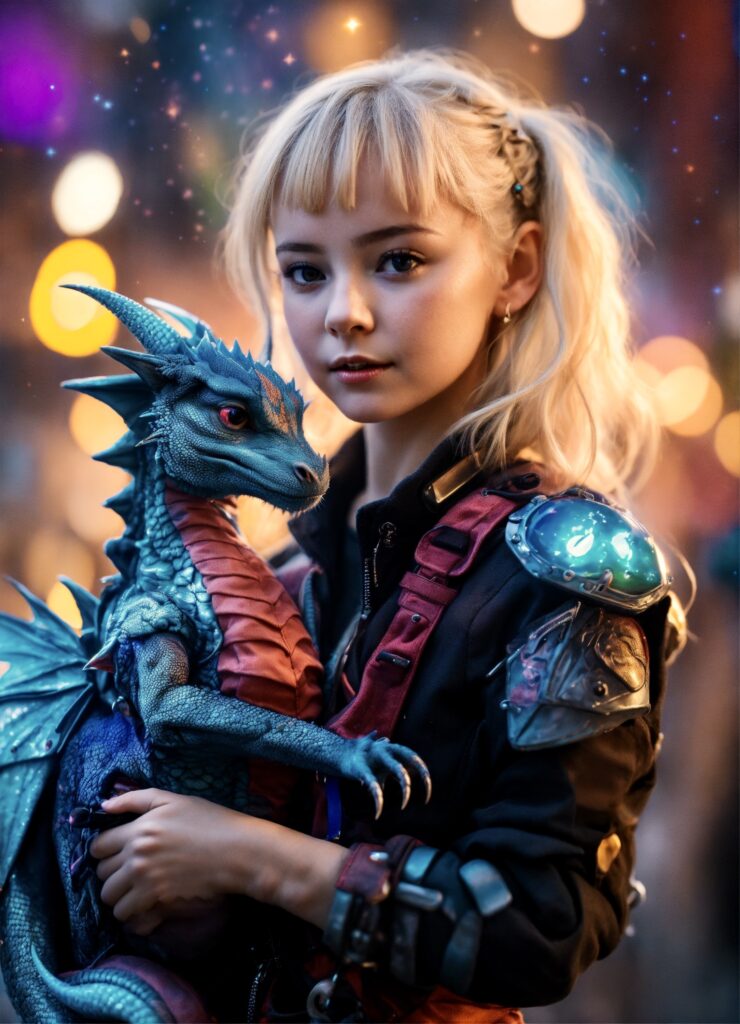
As we step into a new technological era with artificial intelligence, anyone can create animations with the help of a simple prompt. But the real question is, how are animated movies advancing? While AI can be a helpful tool, creativity is a special tool that filmmakers continue to use in storytelling. As of now, AI has increased productivity through simplifying the boring repetitive tasks so that creators can focus on uniqueness. Machine learning algorithms can understand elements of the real world to make lifelike animations.