

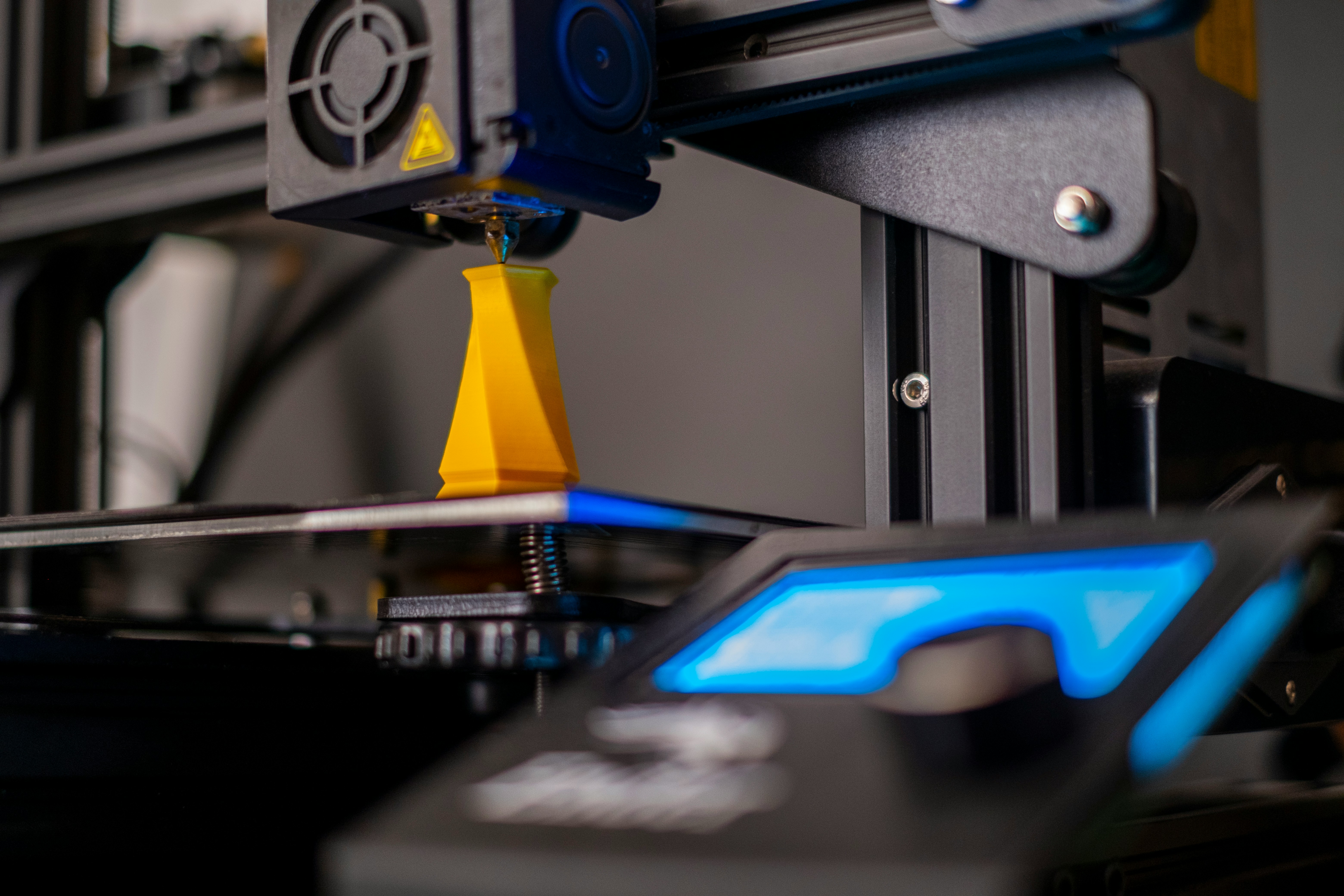
3D printing is one of the most exciting innovations in modern STEM. What started as a tool for making small plastic prototypes has grown into a powerful technology that is transforming entire industries. Today, it is being used to improve patient care in hospitals and to change how buildings are constructed around the world.
In medicine, 3D printing allows doctors to create highly customized solutions for patients. Prosthetic limbs can now be printed to perfectly match a person’s body, making them more comfortable and affordable. Surgeons can also print detailed models of organs using data from CT or MRI scans. These models help them plan complex surgeries with greater accuracy and confidence. Researchers are even working on bioprinting, which uses living cells to create tissue structures for testing new treatments. Although fully printed organs are still being developed, the progress so far shows how powerful this technology could become in the future of healthcare.
In construction, 3D printing is reshaping how buildings are designed and built. Large printers use layers of concrete and other materials to create walls and structural components directly from digital blueprints. Some companies have successfully printed entire houses in just a few days. This process reduces labour costs, shortens construction time, and minimizes material waste. Because it uses only the necessary amount of material, it is often more sustainable than traditional building methods.
As materials and printing techniques continue to improve, 3D printing has the potential to make healthcare more personalized and construction more efficient. It is a clear example of how engineering, technology, and creativity can work together to solve real-world problems.