

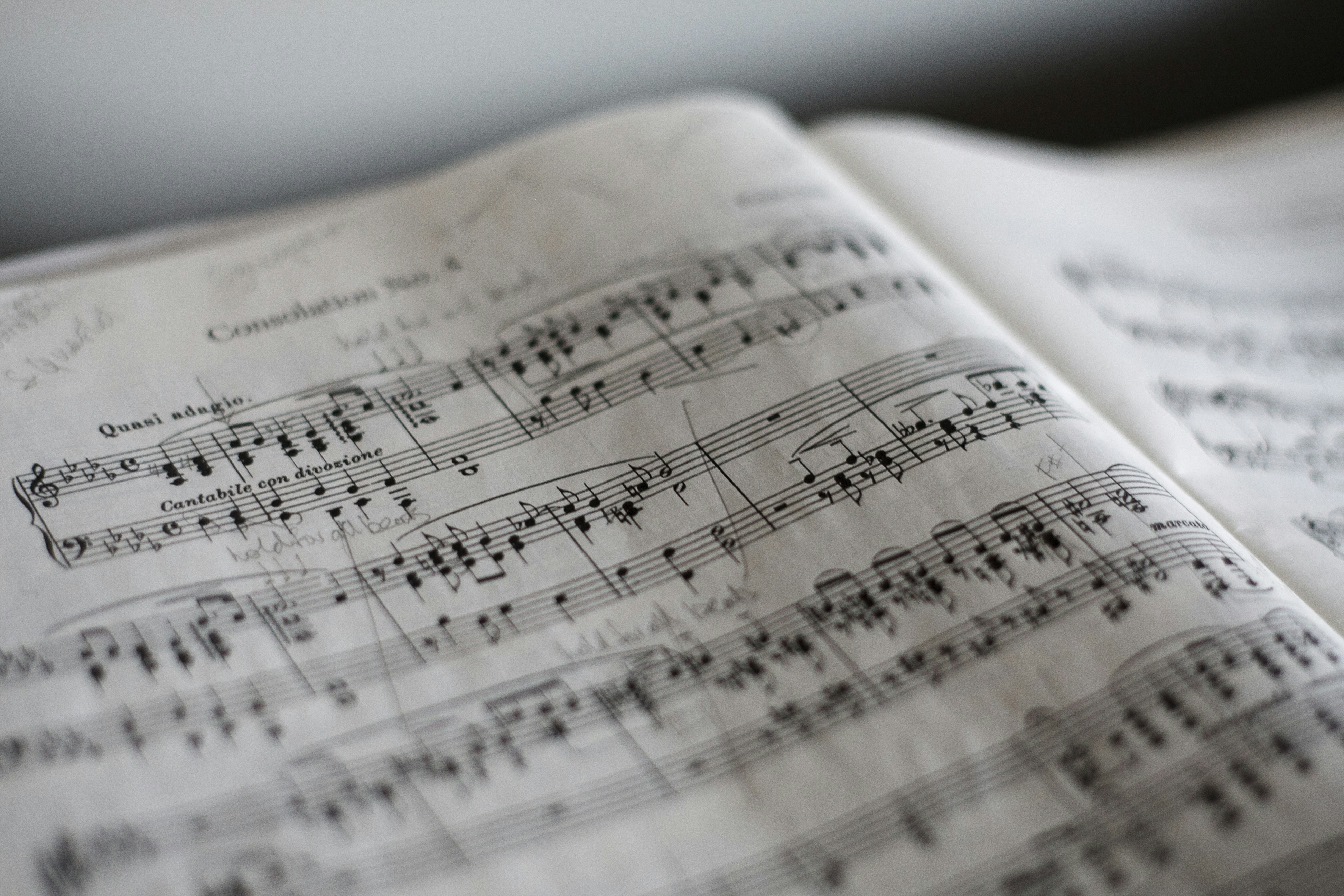
Most of my free time goes into musical activities, whether its practicing the piano, band rehearsals, or pedagogy. Through these experiences, I’ve interacted with musicians of various ages from different backgrounds and lifestyles. Speaking with some of my peers and students made me realize that youth today are struggling with streamlining their practicing. I’ve heard stories of students practicing for hours on end, but making minimal progress on their music despite all their efforts.
As someone who has faced similar struggles in the past, I have learned from my mentors the art of practicing efficiently. Soon enough, I realized that using these methodologies allowed me to make years’ worth of progress over the span of a few months. I was flying through concertos, inventions, preludes, and etudes at lightning speed!
The truth is, many music students tend to think that relying on sightreading, repetition, and their wits alone is the fastest way to learn a piece. This method of playing through your music until you get it perfectly can get frustrating incredibly fast, resulting in students wasting away for hours at their instrument. In order to maximize the amount of progress you make and shorten the time you take to learn a piece, you can use some of the techniques highlighted in this blog post below! These techniques are what work for me, and I hope they assist you on your musical journey as well.
The 80/20 Rule
The 80/20 rule helps students focus on the 20% of effort that creates 80% of their progress using strategies like focusing on tricky bars and playing with dynamics. This rule helps you stop “surviving” your pieces and start mastering them. This principle was brought forth by Vilfredo Pareto, an economist who claimed that “roughly 80% of results come from 20% of efforts.” [1]
This principle can be applied to your practicing, helping you maximize progress with manageable efforts. Here are some strategies you can use in order to incorporate this rule into your musical endeavors:
ALWAYS Use a Metronome
I will die on the metronome hill, fighting everyone who disagrees with me. This is advice I’m very passionate about, and its shocking seeing the sheer number of musicians who don’t utilize a metronome during their practice. The metronome is not for getting your pieces in tempo once you finish learning them, but must be used WHILE you learn them. Learning with a metronome may seem frustrating at first, making mistakes while hearing the clicks in the background may seem annoying, but I’m striving to end the propaganda and hate against metronomes! I used to be a part of the piano student v.s. metronome rivalry, but after realizing how much it changed my practicing, I can’t live without it.
When you learn a new piece, set the metronome at a low tempo (this is targeted towards all of you who let your ego decide the speed) usually around 60-80 = the quarter note. Begin sightreading the piece with the metronome, ONLY increasing the tempo once you can play the piece smoothly and slowly. When increasing the tempo, go up in increments of around 5-15, depending on the difficulty of the piece. I suggest using an app like Soundbrenner or the Google metronome, as physical ones can be unreliable and expensive.
The metronome isn’t only for learning new music, but should also be used during warm-ups and technique exercises as well. Whether its scales, chords, or arpeggios, using the metronome during every step of your practice will train you to learn new music faster, smoother, and always stay on beat during performances.
Learn in 2-4 Bar Sections— Never Run Through The Whole Piece
This one may seem obvious for some, but you’d be surprised at how common it is for musicians to lose patience and decide to stumble through the whole piece instead of repeating the same 2 measures till perfection. This is detrimental in the long run, because even if you may feel accomplished for surviving the song, you’ll soon realize that you’ve made no progress. All the mistakes you had in the first run-though will be made again!
When you first receive your music, learn it line by line, or even measure by measure depending on the difficulty. Move onto the next section only once you manage to play the previous one in tempo smoothly, with minimal slips. For piano, learn these mini-sections hands separately, and come back once you’ve learned the whole song hands separate and repeat the process to put it hands together.
Play Difficult Sections FIRST
That one section you’ve been dreading going over all week? Do it first when you have the most energy in your practice session. You’ll make the most progress this way, and end off feeling accomplished and motivated to play again the next day. Rather than playing through your piece and stumbling during the hard section, fix the difficult measures the second you open your piece before a full run-through.
As you work through the difficult parts in your piece, go in small, 2 measure sections at an achingly slow tempo, WITH your metronome on. It’ll be annoying at first, but you’ll end up thanking me later! Using your metronome during difficult sections forces your fingers and your brain to think faster without stopping in the middle, allowing you to learn the correct notes quickly.
Play Warm-Ups Related To Your Music
This seems obvious when you first hear it, but it truly changes how fast you can learn your music. Look at your music and point out the patterns you see, are there lots of chords, arpeggios, or runs? If so, consider warming up with V7 chords, arpeggios and all their inversions, or running through a few chromatic scales. This warms up your fingers and lets them prepare for your music.
ALWAYS Play With Dynamic Shape– Including In Warm-Ups
Playing with dynamics and expression isn’t something you work on after you finish learning your music or the notes to an exercise, you have to do it while you’re struggling through the initial learning phase. For example, as you play your scales, ensure you play with a dramatic, exaggerated crescendo on the way up, and decrescendo on the way down. Same with chords and arpeggios, train yourself to instinctually play each note with a different musical colour and dynamic.
When you’re playing your music, look for patterns in the notes where they go higher up the staff or lower, and create your own dynamics in the sections where the composer hasn’t already given you some. Play these dynamics as you learn the piece, ensuring that every note you play is different in musicality from the previous one. This allows you to play with more expression, and once you finish learning the piece, you’ll have already done most of the work in terms of dynamic shape. If you’re stuck in terms on expression, take into account the context of the piece (e.g. When was it written? What was going on during this time? What does the title mean?) or listen to a recording of it online. Think about what you want to convey with your music, what imagery are you creating for the audience?
If you’re skimming through, here’s the key takeaway for this tip: Everything on your instrument should be played with dynamics in mind. ALWAYS!
Memorize Your Music As You Learn It
Do yourself a favour and don’t leave memory for after you finish learning a piece. Along with dynamic shape and the metronome in the background, try to actively memorize your music as you learn the notes. For example, whenever I’m learning a new song, I try to memorize it hands separately as I learn it. Whether it’s saying the notes out loud, writing out the music on a separate piece of paper, or talking to myself about patterns I recognize, this has helped me learn my music at breakneck speed.
This may seem daunting and difficult at first, but memory is a lot easier when you do it slowly and consistently, with the right tools and strategies. If you’re relying on pure muscle memory to get through a performance, I’m both terrified for you and slightly impressed. Don’t do it.
Learn your music so its burned into the back of your mind, learn it so well that you could play it in your sleep or visualize yourself playing it without your instrument in front of you!
Conclusion/TL;DR
No musician is perfect, we all have those days when practicing feels like running a marathon. This is completely normal and proves that we aren’t machines, but humans. Setting realistic goals, such as sitting with your instrument for at least 10 minutes a day, is the key to building consistency.
Most students waste hours playing through entire songs, repeating the same mistakes and hoping for a different result. To make years of progress in just months, you need to isolate the 20% of your music that causes 80% of the friction. You can do this by:
- Utilizing a metronome from day one
- Mastering your music in small sections
- Tackling difficult sections first
- Playing warm-ups similar to your music
- Baking dynamics into your initial read-through
- Memorizing your music as you learn it
Learn how to work smarter, not longer!
Some truly fantastic content on this site, appreciate it for contribution.
Comments are closed.