
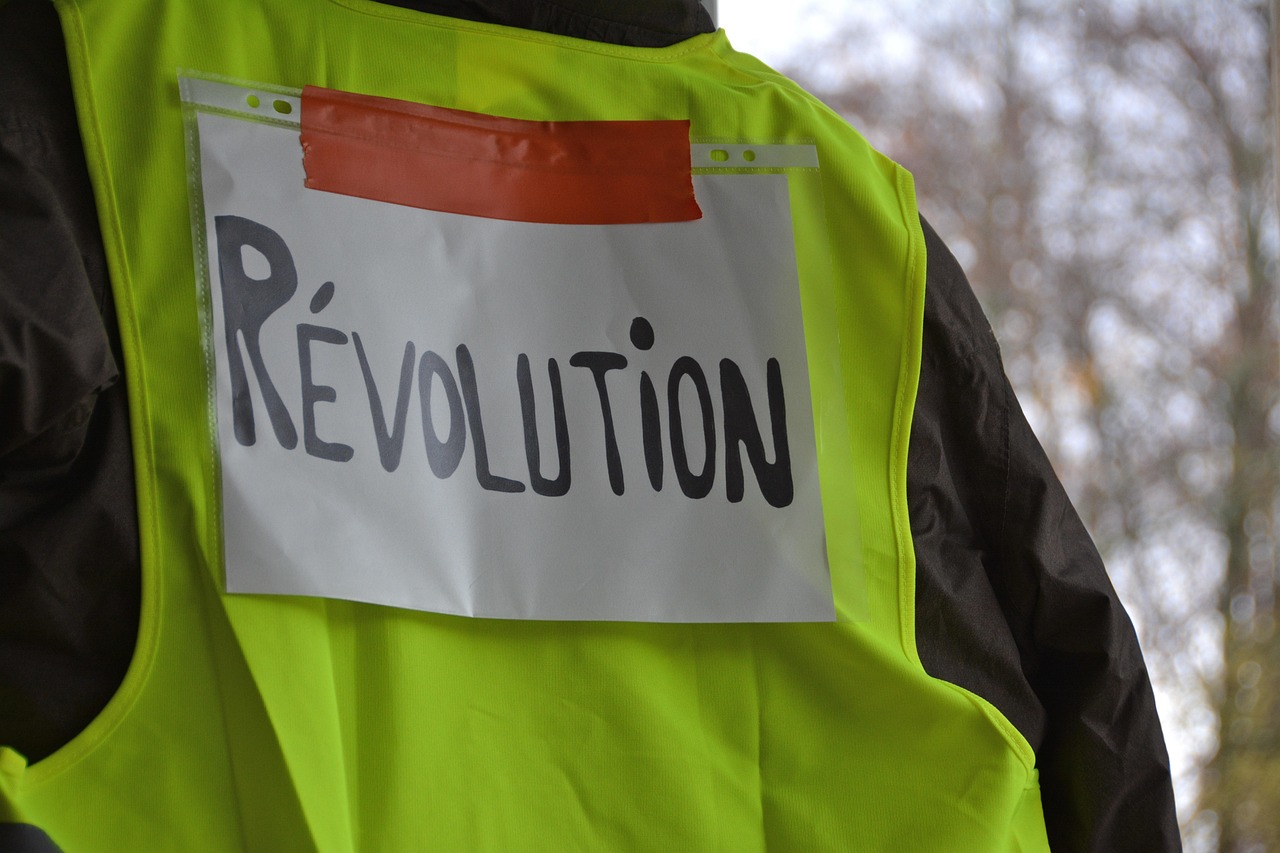

Each and every day, thousands of people across the world protest against inequalities the world is throwing at them. Strong education systems, good-quality healthcare and reduced corruption are all necessities to any society, and when that isn’t provided, regardless of their age, people stand up for their rights.
Today we will be focusing on a youth-led movement in Morocco. Morocco is located in the northwest corner of Africa, and a new youth-led movement is shaking its political landscape. Morocco has a population of about 38.4 million, with both urban centers and rural areas seeing youth participation in activism, highlighting the movement’s broad reach.
What is this new youth-led movement?
Introducing “Gen Z 212”. A movement led by Gen Zs with “212” being a reference to the country’s international dialing code. After the post-partum death of 8 women in an Agadir hospital, youth have swarmed the streets demanding not just higher quality healthcare and education, but just for a more dignified life overall.
These deaths highlighted systemic underfunding and lack of resources in Moroccan hospitals, sparking nationwide outrage. These protests have happened not only in urban areas, but also many rural ones as well. Protests took place in over a dozen cities including Rabat, Casablanca, Agadir, and Marrakesh. Some of their famous chants include, “Dignity, freedom, and social justice”, and “stadiums are here but where are the hospitals?”.
How is this being organized?
Everyone knows about the most popular social media platforms, including Instagram and Snapchat, but a rising communication medium is “Discord”, which is where Gen Z 212 is organizing their protests and demands. With more than 250,000 members on this server, Discord is being used as a shield of anonymity. The server grew rapidly in just weeks, allowing youth across Morocco to coordinate actions and share resources.
On these servers, surprisingly, there is no expected systematic “hierarchy”. As in, decisions are taken by everyone and there is not necessarily any “leader” of the movement. They did this to avoid maximum chances for repression and co-optation. Repression is “the action of subduing something by force”, and co-optation is basically a strategic process where a dominant group absorbs or incorporates potential threats, like outsiders or dissenting groups, into its leadership or structure. This is often to manage opposition, reduce instability, or gain legitimacy, by offering them a role or power without fundamentally changing the system.
Progression of the movement:
This movement has grown exponentially across many locations in Morocco since mid September. The first street protests occurred in late September 2025. The first protests however experienced a great deal of violence, which was not what the movement intended to provoke.
Gen Z 212 responded to this escalation of violence by strictly reaffirming the non-violent nature of the movement while also reducing the number of people at each protest to reduce the chance of violent outbreaks. As they also began to incorporate the chant, “Peace, peace, peace”, the previously violent nature of the movement eventually began to reduce. Their demands also became more clear and they were published across a variety of social media platforms, specifically addressing core issues in Morocco including: free and universal quality education, accessible public healthcare, job opportunities for youth and the reduction of unemployment and more. Many documents filled with demands circulated across Discord, and consequently across Morocco.
The movement also made sure to remain non-partisan, rejecting any attempts to collaborate with any other political parties. This non-partisan approach was designed to protect the youth from co-optation and ensure the movement’s focus remained on societal issues rather than party politics.
Conclusion:
Overall, Gen Z 212 is an exciting movement, with a strong aspiration to improve the socio-economic state of Morocco. It is also an example of how digital platforms can enable youth to mobilize, coordinate, and influence politics without formal leaders or institutional backing. Let’s see how this story unfolds!
Sources: 1