

Band nerds… They have to stay after school and come early, and they need to take hours out of their schedule to practice at home each week. Why would anyone want to do that? For some reason, this is often the reaction I see from non-band kids. The truth is, band is just like any other hobby – it takes time, effort, and practice to develop skills and an appreciation for it. The people who have this attitude toward band are often on a basketball team or love sketching. It isn’t any different in the sense that when you truly like something, you devote yourself to it.
In grade seven band, we watched a TED Talk about the cycle of enjoying something, being good at it, and practicing it. The more you practice (even if it isn’t fun at first), the better you get. The better you get, the more you enjoy it, which makes you want to practice more – and the cycle continues. Karate masters don’t practice just because they’re good at it, but because it gives them something deeper and brings out a new side of life. While this idea applies to many activities, I want to focus on the benefits of one of my own favorite ones: band.
Developing life skills
Countless life skills can be developed in band class. First of all, when every role matters and everyone plays a part, you learn teamwork and collaboration. Everyone has their moment to shine, but in most bands you are often supporting another instrument group – lifting them up while they take the lead, before the spotlight shifts again. This teaches patience and appreciation for other people’s work, abilities, and growth. In a band, no one section is the “best” or “most important” at any given time.
A band is like a mosaic window. One piece of glass can be beautiful on its own and recognized individually, but it gains its true meaning when it becomes part of something larger, coming together to illuminate a powerful image.
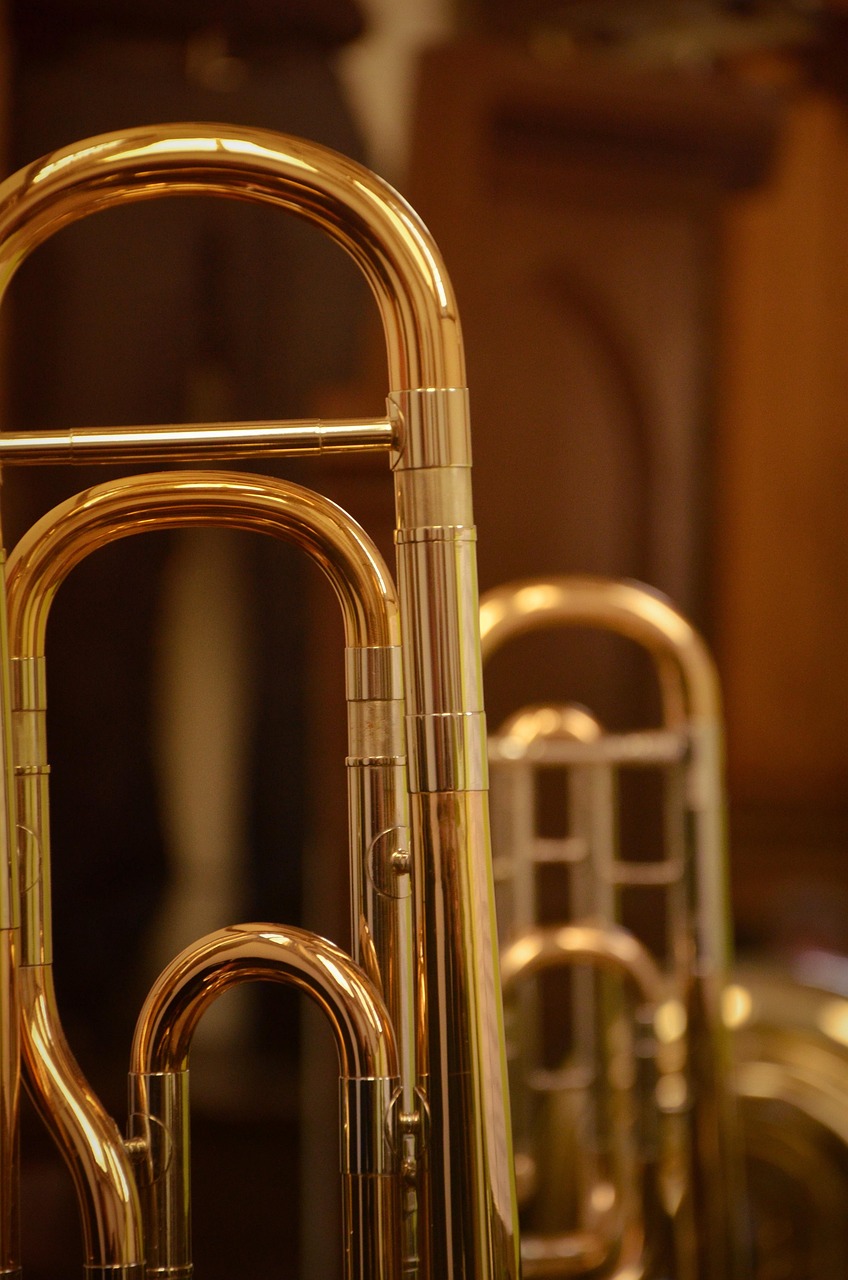
Social responsibility and leadership are also prominent in a band or orchestra setting. We depend on each other to practice, to know our parts, and to be there as support when needed. Band gives everyone the chance to step outside their comfort zone and expand their leadership experience. There are louder ways to do this, like taking an improv solo in a jazz jam or volunteering to be an MC at a concert, and quieter but equally important ways, such as practicing consistently or letting someone else take the trombone 1 part. You learn to understand that you are a vital part of the experience you are creating for others, and that comes with responsibility.
Proficiency doesn’t happen in a day, or even in a year – or five. There will always be musicians to look up to, but instead of envying them, you learn to let them inspire you.
Patience is by far one of the most challenging parts of band. Long-term effort can feel tedious or even impossible, but progress appears sooner than you expect. This helps youth understand that dedication leads to improvement, and that perfection is not a realistic goal.
Over time, students learn to accept constructive criticism, look up to older or more experienced musicians and clinicians without feeling inadequate, and improve their listening skills (which, trust me, not everyone is good at). There are also cognitive benefits involved, such as stronger memory, focus, motivation, discipline, and pattern recognition.
Success and belonging
Everyone belongs in a band in their own way, just as every piece of stained glass is different. Band allows a wide range of learning styles and strengths to succeed because it is an open and adaptable environment. Not all students thrive in traditional classroom settings, but band gives people with different experiences and abilities a place to grow together.
Band can also become a “home base” in high school. It is often the most consistent group of people in a student’s schedule, and long-term friendships and memories are formed through shared experiences – camps, concerts, clinic days, and even international trips. Even the people you don’t talk to much still have your back.
Beyond connection, band opens doors to other musical opportunities such as jazz ensembles and experiences outside of school. Music theory, while not necessary for everyday adult life, is still a valuable skill. It can be intimidating when some classmates have played piano since they were five and seem to already know everything, but that challenge can become motivation to adapt and grow. In the end, it is a skill that pays off.
By providing a space where different abilities are valued equally, band helps students feel included, builds self-worth, and reinforces the idea that everyone has something important to contribute and an identity within the community.
A mosaic is only complete when every piece is present – every contribution and every sound. Band reflects this idea: complex, diverse, and whole because of the differences that shape it.