

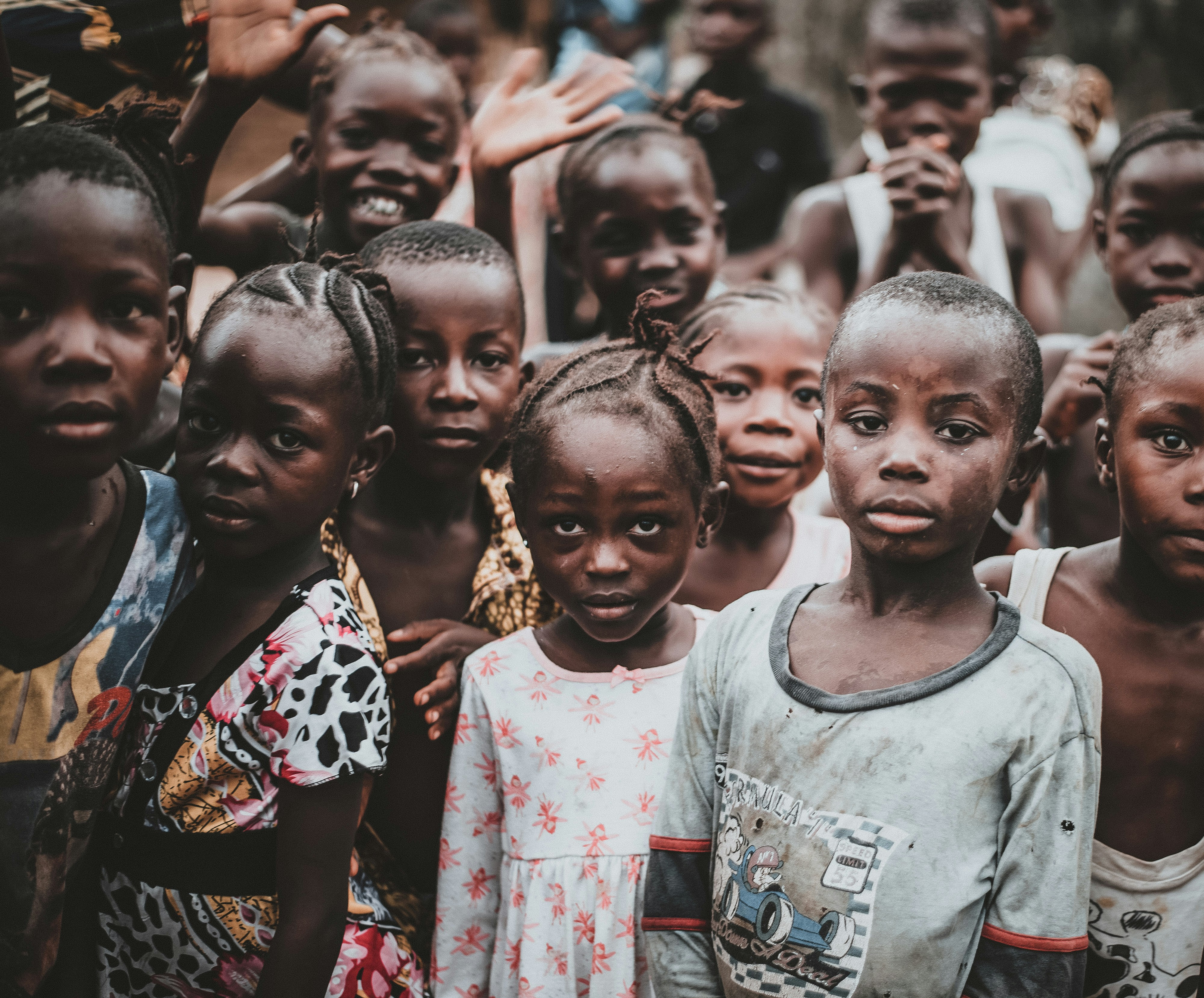
It’s easy to take healthcare for granted — until you realize that for many people around the world, it’s a luxury. In some countries, people skip going to the doctor because they can’t afford it. In others, there isn’t even a clinic nearby. And suddenly, something treatable becomes life-threatening.
Global inequality in access to healthcare is a massive issue, and it’s not just about medicine. It’s about money, politics, geography, and human rights. Even today, around the world, one of the most pressing challenges that we face are the disparities in our healthcare across different countries. In this post, I will cover how these differences have affected people around the world, and how to combat them.
The World Health Organization (WHO) released an article in May of 2025 that stated “people in the country with the lowest life expectancy will, on average, live 33 years shorter than those born in the country with the highest life expectancy.” This statistic alone shows how much where you are born has come to affect your human right of receiving basic healthcare and opportunities to grow.
Health inequities are deeply tied to social disadvantage and discrimination. People living in
poorer countries are often more subject to having lower

incomes, levels of education and healthcare access. These populations often face marginalization (similar to Indigenous people of Canada) and discrimination. Global targets to reduce these disparities are unlikely to be achieved, according to recent WHO data. The majority of maternal deaths still occur in low- and lower-middle-income countries, and children in poorer countries continue to have a significantly higher risk of dying before turning five. Pregnancy-related risks are higher for women from underprivileged racial, ethnic, or cultural groups, demonstrating how social injustice still contributes to global health disparities.
This can be seen in the Central African Republic, which has the world’s lowest life expectancy, as well as a GDP per capita of approximately $1330. This is significantly lower than Canada (a relatively rich and developed country) which has a GDP of $54,473.
WHO has mentioned many different strategies and tactics to handle these disparities in our lives. The organization openly recognises that income inequality, structural discrimination, conflict and climate disruptions are key to overcoming deep-seated health inequities. Some of these recommendations include:
- Address economic inequality: reduce the gap between the rich and poor, put money into social services
- Overcome structural discrimination: fight gender inequality, support refugees, reduce a caste or class system, and understand how politics and war affects people.
- Manage the challenges and opportunities of climate action and the digital transformation to promote health equity co-benefits: recognize that climate change harms people. It is predicted that another 68-135 million people will be pushed into poverty due to climate change.
- Promote governance arrangements that prioritize action on the social determinants of health equity: Build government structures that focus on reducing health gaps.In the end, this disparity is really just a reflection of how our society distributes power, resources, money and opportunities. Millions of people’s lives are being impacted by factors that are well beyond of their control, according to WHO data. Governments, organizations, and communities need to demonstrate an effort to tackling the social, economic, and environmental factors that essentially cause these disparities if the world is serious about improving health outcomes. It is possible to reduce health disparities, but only if we acknowledge that it is a shared responsibility and work together to guarantee that everyone has the opportunity to live a healthy life, regardless of where they live.