
A Quick Debrief
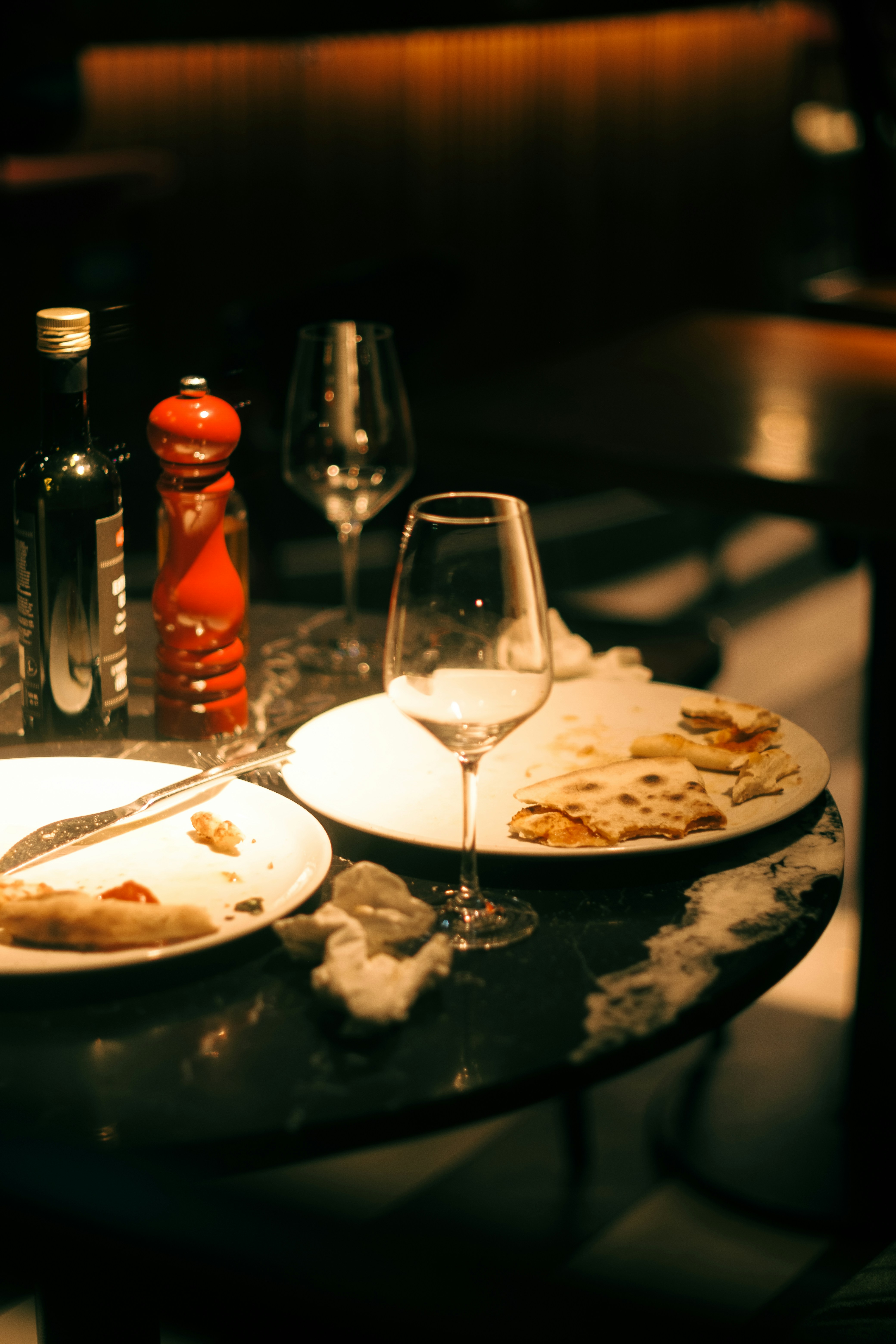
Asking for a take out box has become a socially normalized inquiry to ask your waiter. Especially in the United States, leftovers provide a simple yet effective method that counteracts the fact that not everyone’s stomach can handle their relatively large portion sizes. Leftovers are convenient and save time; they are as normal as a thing can get. However, there was a time when leftovers were considered sacred. Precious. As valuable as diamonds.
Just a Couple Decades Ago…
During World War I, epidemics of food shortages occurred as the US government struggled with feeding their soldiers and citizens adequately. Fridges didn’t exist so there was no easy method to preserve food for long periods of time. To prevent this, regulations such as “Wheatless Wednesdays or Meatless Mondays” were reinforced. Families were advised to do with what they have and not to overconsume. Following is a US Food Administration poster from 1930 titled “Leftovers Shouldn’t Be Left Over.”


Certain people were proud of how much of a law-abiding they were because of their control on their food-preservation skills, so much so that some even celebrated killing their pets in order to minimize an extra hungry mouth. (Although at that time, pets only ate table scraps.)
Fridge Shenanigans
With the invention of the icebox and fridge, leftovers lost their once high status. Feminists began to challenge the concept that traditional women should belong in the house, anchored to chores and cooking. The new and sudden convenience brought women more career opportunities and time to pursue other paths. The opposing conservatives argued that women are now taking disgraceful shortcuts and not committing to their “main job.”
Throughout the 1960s and early 1970s, the public’s opinion on leftovers was ambiguous and uncertain. Some thought it was shameful to eat leftovers, or worse, serve them to guests. Others were hesitant around the idea of asking for takeout, at the time referred to as a “doggy bag.”
In the Present Moment
Nowadays, leftovers are not only a part of everyday life but even established upon tradition. Thanksgiving is known for the etiquette of sending guests home with leftovers, and sometimes the conflict of fighting for them. Leftovers is not only a thing that saves you time, but has also become a social phenomenon that connects people together.