

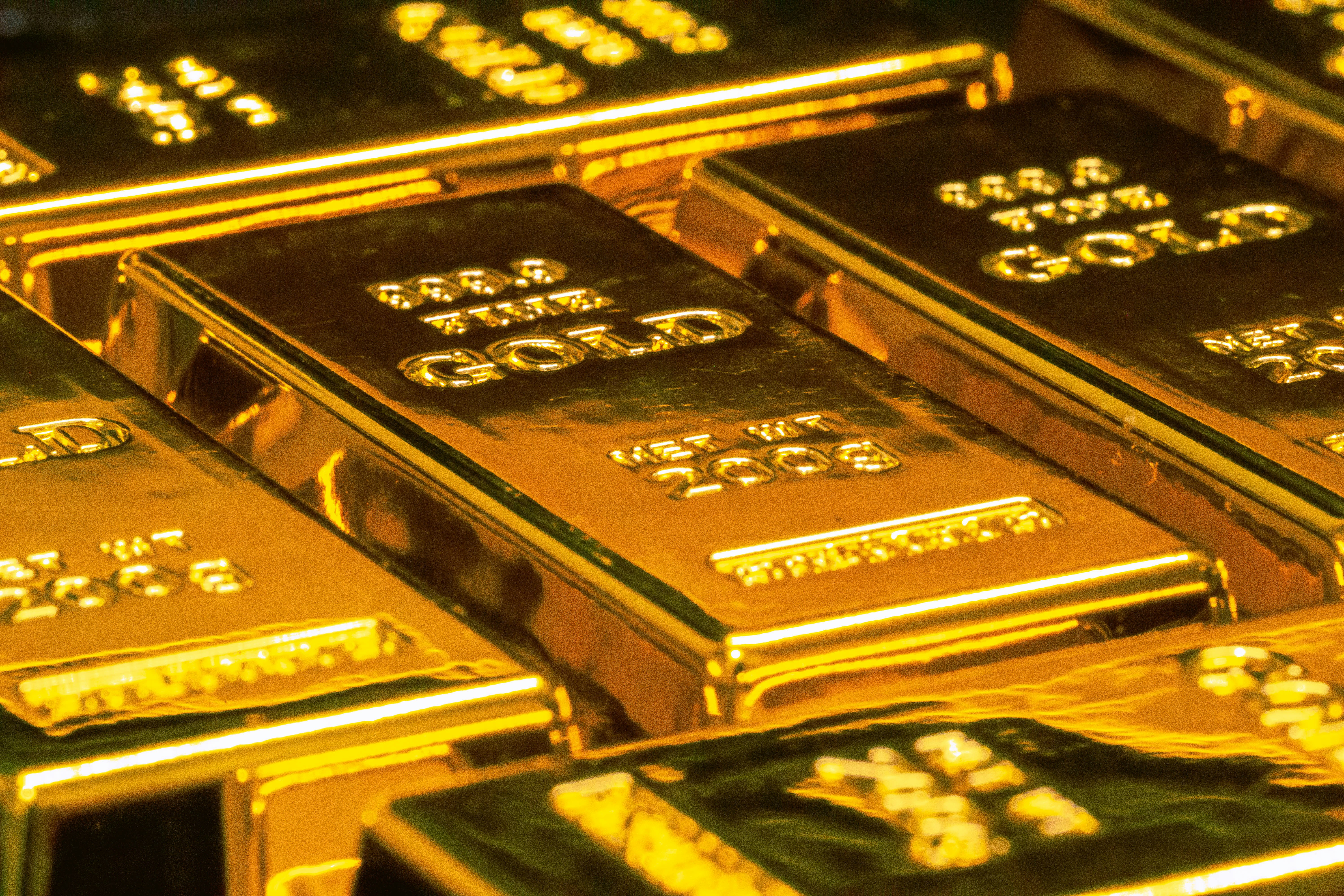
Gold has always been seen as a safe place to store wealth, especially when the economy feels uncertain. In 2025, many experts think gold will stay strong and may even rise higher before the year ends. But what exactly are analysts predicting, and what would those prices look like in Canadian dollars?
Gold has already been doing well in 2025, partly because central banks and investors are buying more of it. When the economy faces inflation, rising debt, or conflicts around the world, people often turn to gold as a “safe” investment. The price of gold is mostly measured in U.S. dollars, but for Canadians, it’s important to convert those prices to see the real impact here.
Speculative Estimates
According to J.P. Morgan, the price of gold could average around US $3,675 per ounce by the end of 2025. Goldman Sachs recently raised its forecast to about US $3,700 per ounce, while HSBC predicts an average closer to US $3,355. A poll by the London Bullion Market Association (LBMA) found that most analysts expect gold to sit near US $3,324 per ounce by the end of the year. These predictions suggest that gold could continue its upward trend, especially if interest rates begin to fall or if uncertainty in global markets continues.
If we convert those numbers into Canadian dollars, using an exchange rate of about 1 U.S. dollar = 1.35 Canadian dollars, that means one ounce of gold could cost between CAD$4,450 and CAD$5,000 by December 2025. That’s a significant value, showing how the Canadian dollar exchange rate can affect how expensive gold feels locally.
Experts point to a few key reasons for these higher forecasts. First, central banks around the world are buying more gold to diversify their reserves and rely less on the U.S. dollar. Second, lower interest rates make gold more appealing since investors don’t lose out on interest earnings by holding it. Third, global uncertainty, such as wars, elections, or debt concerns, pushes more people toward safe assets like gold. Finally,investor demand is growing, not just from jewelry buyers but also from technology companies and gold-backed funds.
Associated Risks
However, there are also risks that could hold gold back. If the U.S. Federal Reserve decides not to cut interest rates or if inflation cools faster than expected, gold prices might not rise as much. A stronger U.S. or Canadian dollar could also make gold less attractive in local currency. And if global markets calm down, investors might shift money away from gold and back into stocks or other assets.
For young Canadians, this trend is a great lesson in how global events affect prices. Watching gold helps you understand how economics, currencies, and investor confidence all connect. Even if you’re not investing yet, knowing why gold moves up or down can help you make smarter financial choices in the future.
By the end of 2025, gold is expected to sit somewhere between CAD $4,500 and CAD$5,000 per ounce if current predictions hold. Whether it rises higher or levels off will depend on what happens with interest rates, inflation, and the global economy. Either way, gold remains a fascinating example of how the world’s money systems are linked.