
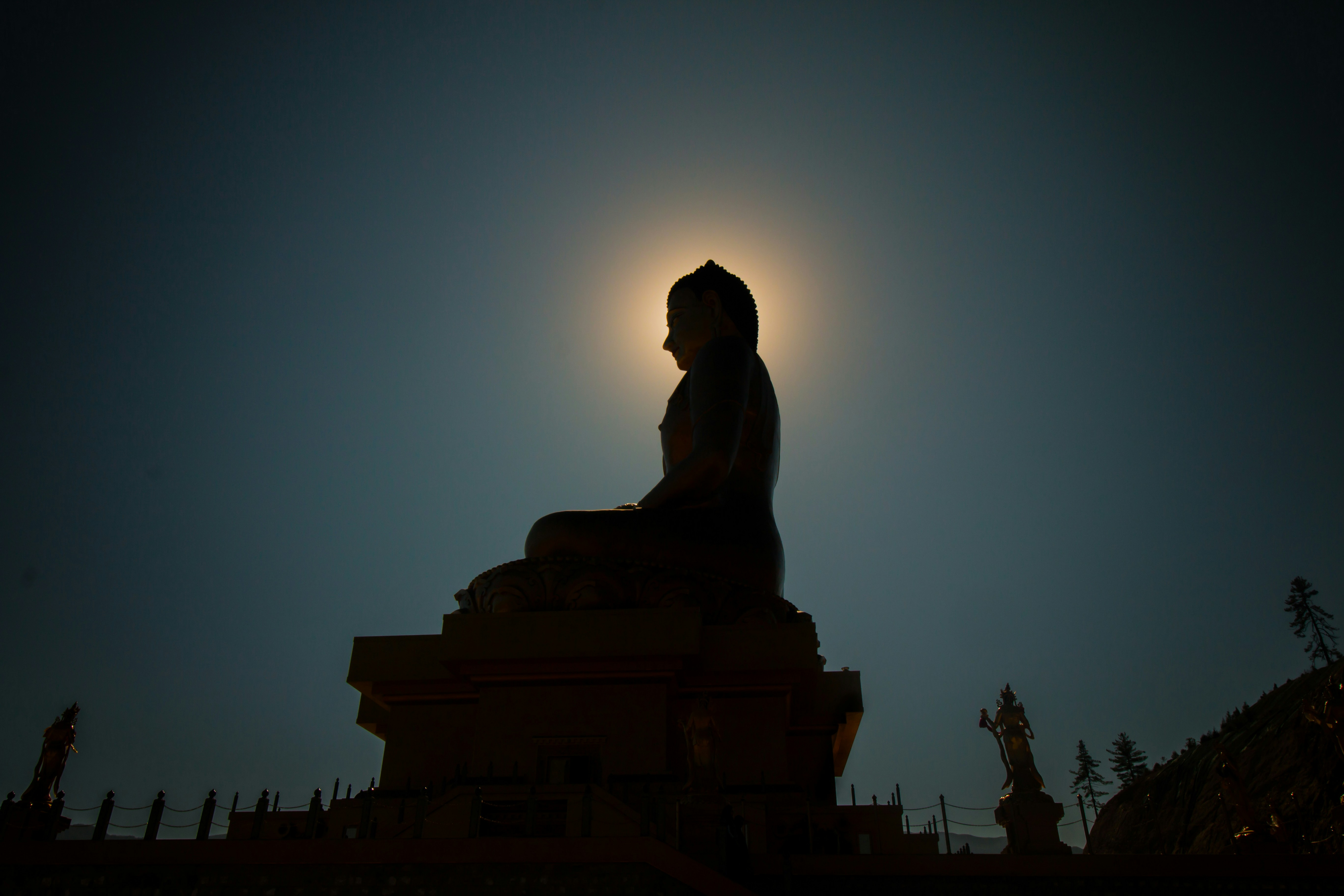

In 2025, having “aura” is the new status symbol, it’s less about the looks, more about the vibe. Today, your aura decides how others see you, whether it be confident, humourous, mysterious, chill, non-chalant, or chaotic, even if it’s carefully rehearsed. It’s become the new filter, it’s all about how people edit their personalities instead of their photos. People now chase aura, trying to look effortlessly magnetic without seeming like their trying.
At some point in a person’s life, one asks themselves “Do I look cool?” This rise of aura culture reveals how deeply performance is built into everyday life. We don’t just post pictures anymore; we post moods, expressions, and carefully timed silences. To the point that even authenticity feels staged. Everyone wants to seem real, but no one wants to risk actually being vulnerable to the world.
This obsession with aura clearly demonstrates how social media has changed what we value. Instead of focusing on genuine personality or talent, people shape how they feel to others, the vibe they portray. Having “good energy” has become something you practice, learn, perform, or even market. The quote “Be Yourself” doesn’t apply in today’s world anymore, its more of being the version of yourself that gets the most attention.
People are learning to curate their energy like a brand. From the way they walk into a room to the way they speak in a video, every detail is designed to leave a lasting impression. Aura is no longer just a feeling; it has become a form of digital currency. The people who seem to have it gain followers, attention, and admiration, while those who do not are often overlooked. The line between self-expression and self-promotion is fading fast, and what used to be a natural trait has turned into a skill people feel pressured to master.
In this culture, silence can be strategic, eye contact can be calculated, and even laughter can be planned. The smallest gestures become part of someone’s online presence. Aura has become something people try to maintain, just like influencers maintain a brand image. And just like any trend, it can be exhausting to keep up with. The fear of losing your aura, or being labeled “cringe” or “try-hard,” keeps many people performing even when they are tired of it.
The irony of aura culture is that the more people try to seem effortless, the less effortless they actually become. The whole idea of natural confidence disappears when you are constantly aware of how you look, sound, and move. Maybe that is why so many people are starting to feel disconnected from themselves. When you are always performing for others, you eventually forget who you were performing as in the first place.
Still, the rise of aura culture reveals something deeply human: the desire to be seen and understood. People chase aura not only to impress but also to connect and make others feel something. Maybe the real challenge is not to reject aura altogether, but to redefine it. True aura might not come from being perfect or aesthetic, but from being real enough to show your flaws.
In the end, when the filters fade and the act ends, the truest aura is simply being yourself without fear.
This was so auraful
Comments are closed.