

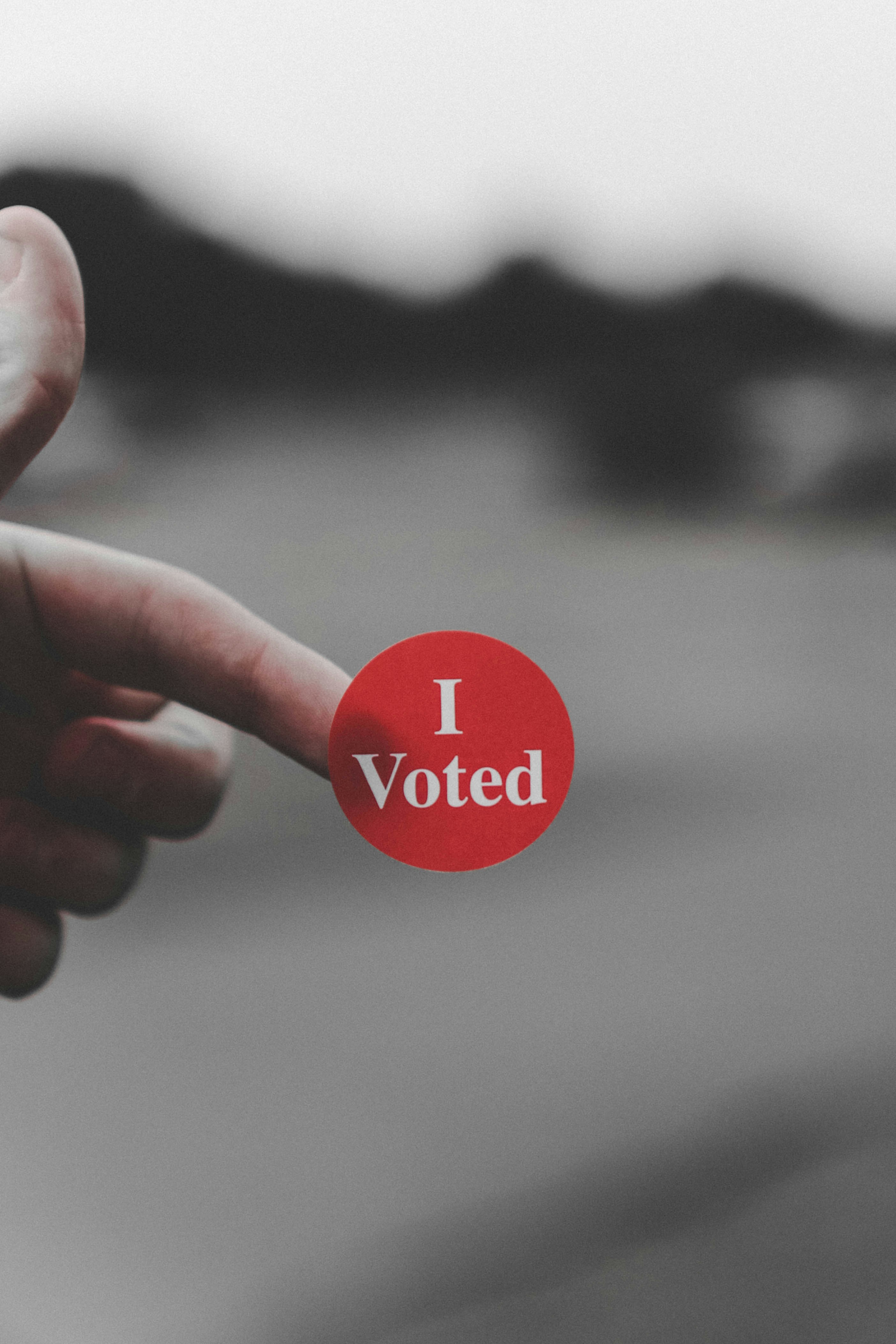
In the digital age, politics is no longer something you only encounter on the evening news or during an election year. It is everywhere. You can see it on your social media feed, in casual conversations, and even hidden in the way headlines are written to grab your attention. While this constant exposure has made politics more accessible, it has also made it more confusing, overwhelming, and often misleading. Being an informed voter has always been important, but in a world dominated by clickbait, algorithms, and endless streams of opinions, it has become more challenging than ever. Yet the effort to rise above the noise and seek clarity is one of the most meaningful responsibilities we have as citizens.
Headlines today are often designed less to inform and more to provoke a reaction. A carefully chosen phrase can spark outrage, stir fear, or ignite curiosity, all without revealing the full truth behind the story. Too often, we see people forming strong political opinions based on a headline alone, never reading the article or exploring the context. This is the trap of clickbait: it feeds on our emotions and encourages quick, shallow reactions instead of thoughtful engagement. An informed voter, however, understands that headlines are only the surface. They are an invitation, not a conclusion. The responsibility lies in looking beyond the bold words at the top of the page and asking: what’s the full story? Who is telling it? And why does it matter?
Another challenge of our time is that many people live inside what is often called a “news bubble.” We naturally gravitate toward sources that confirm what we already believe. If you lean one way politically, you might only read outlets that align with those values. The danger of this is that it creates an echo chamber where you hear the same narratives repeated over and over until they feel like the only truth. To be informed requires more courage than that. It means seeking out perspectives that challenge your views, listening to voices you may disagree with, and comparing how different outlets report on the same story. This doesn’t mean you have to change your beliefs every time you encounter a new opinion, but it does mean you are building a fuller, more balanced understanding of the issues. An informed voter is not someone who agrees with everything they read; they are willing to consider multiple sides before making a decision.
Checking the credibility of information has also become a crucial skill. In the age of viral content, anyone can design a graphic, write a post, or share a meme that looks authoritative. Yet not everything that looks polished is trustworthy. An informed voter learns to pause and ask: Who is the source? Is this reporting based on facts, or is it an opinion disguised as fact? Do other credible outlets confirm this same story, or does it stand alone in isolation? Sometimes, a two-minute fact-check can make the difference between being misled and being informed. With misinformation spreading faster than ever, especially during election seasons, that pause for verification is not just wise, it is essential for democracy itself.
One of the most powerful tools used in modern politics is not persuasion through reason, but manipulation through emotion. Outrage is profitable. Fear spreads faster than facts. Social media algorithms know this and intentionally boost the stories that trigger the strongest reactions, because those are the stories people are most likely to share. But when our political decisions are guided purely by anger, fear, or shock, they are rarely grounded in wisdom. This does not mean emotion has no place in politics. Passion is often what drives people to fight for justice or to vote for change. The danger comes when emotion is weaponized against us. An informed voter learns to recognize when a story is crafted to provoke more than to inform. They take a breath before reacting and ask: what is the bigger picture here?
Beyond avoiding manipulation and misinformation, being an informed voter also means focusing on substance over spectacle. Modern politics often rewards the loudest voices and the most dramatic moments. Scandals, insults, and viral clips dominate headlines, while policies, plans, and long-term impacts are pushed into the background. But elections are not reality shows; they are decisions about the future of our communities. An informed voter looks past the noise of the moment and asks deeper questions: What policies is this candidate proposing? How will their decisions affect education, healthcare, the economy, or the environment? How will their leadership style shape the culture of the country? Instead of asking, “Who made the biggest splash?” an informed voter asks, “Who will make the most meaningful impact?”
It is also important to remember that politics is not just national—it is deeply local. Too often, people only pay attention to presidential races or high-profile leaders, forgetting that local governments, school boards, and city councils often shape daily life in more direct ways. Informed voters pay attention to both levels. They show up not just for the headline elections, but for the ones that determine how resources are distributed in their neighbourhoods, how schools operate, and how communities thrive. Clickbait culture tends to elevate the dramatic national stories, but the quiet local decisions matter just as much and sometimes even more.
Being an informed voter requires time and effort, and that can feel exhausting in a world that moves so fast. But perhaps the greatest act of resistance in an age of noise is slowing down. It means choosing to think critically rather than react instantly, to research rather than assume, and to listen rather than dismiss. It means refusing to let algorithms decide what you believe and instead taking ownership of your perspective. This doesn’t mean you will always have perfect information or make flawless choices—no one does. But it does mean you will cast your vote with integrity, intention, and awareness.
At the heart of democracy is the idea that every voice matters. But for those voices to shape a healthy society, they must be informed. Voting without knowledge is like steering a ship without a map; you might move, but not necessarily in the right direction. Informed voters are the compass that keeps democracy on course. They are the ones who take the responsibility seriously, who recognize the power of their voice, and who refuse to let clickbait, rumor, or emotional manipulation guide their choices.
In the end, the call to be an informed voter is simple but profound. Don’t settle for headlines. Don’t live in an echo chamber. Don’t allow outrage to replace reason. Instead, read deeply, think critically, listen widely, and vote with clarity. In a world full of noise, that is one of the most radical and hopeful things any of us can do.