
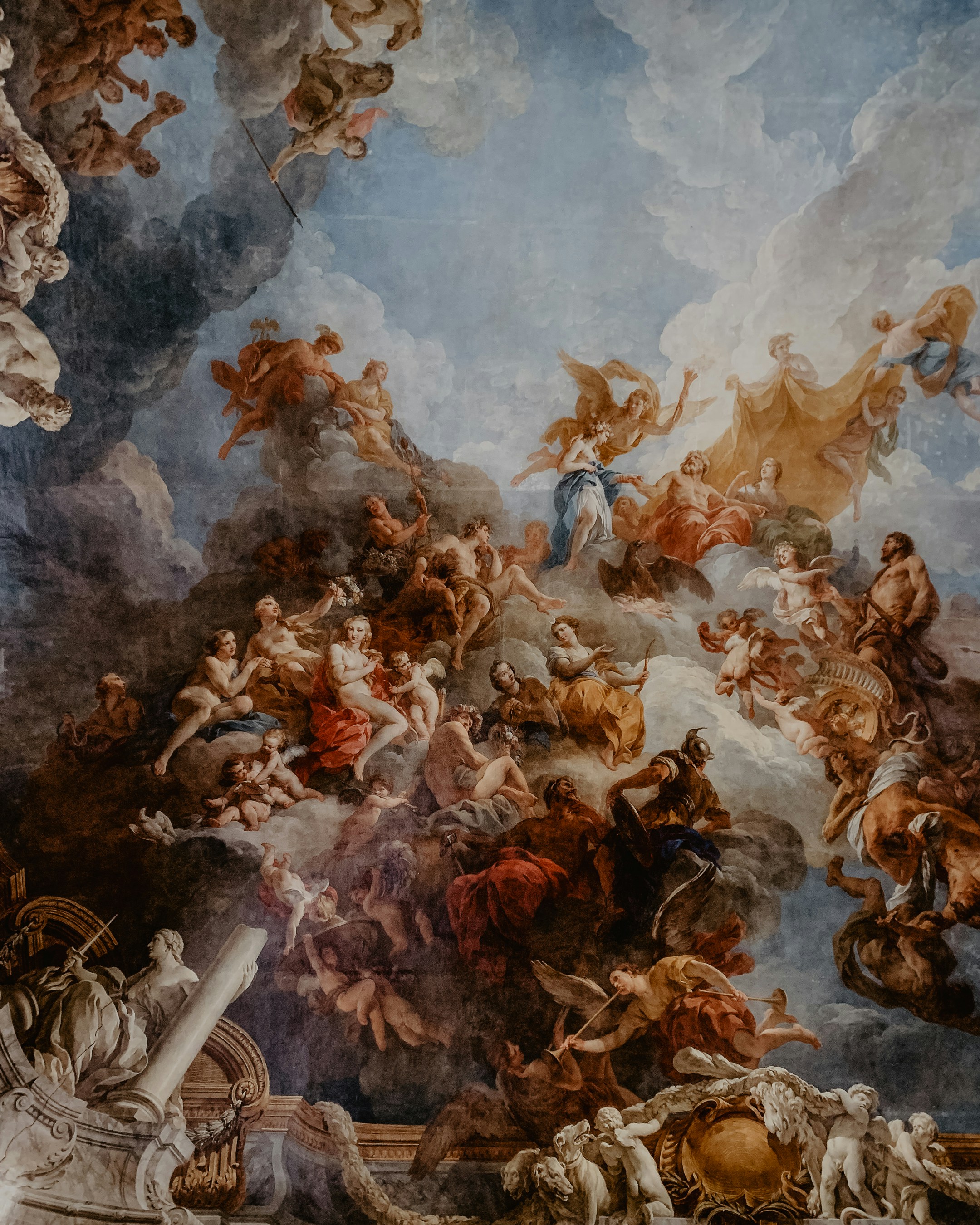
Art in itself has a complex relationship with time, so it begs the question…
Does art transcend time or preserve it?
Let’s explore both perspectives.
Art contains the remains of the time it was created.
Often capturing a period’s thoughts and culture, art reflects the values of the times it was created in, therefore preserving the values and life of that time. The meaning of art can be physically tied down to the work, for example, what pigments were used in the painting carry history and meaning.
During the Renaissance period, the pigment Ultramarine blue was derived from the lapis lazuli gemstones, valued more than gold at the time. Artists often reserved using such a precious colour for paintings and colouring portraits that carried significant meaning. Many used it for the robes of the Virgin Mary, tying a religious and economic history into the paintings and pigments used.
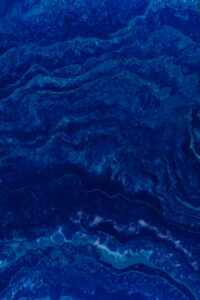
Hence, can art not only carry time in its veins physically but also in perception and significance? There is much that signifies the context and approach behind art.
Art is beyond time.
The inceptive fondness of a newly released song begins to fade over time slowly, as the radios overplay it, and it floods your TikTok for your page. Literary works become archaic, lose meaning or relevance. The bottom line being that the meaning carried within art can change depending on the times, current events and the society’s standing.
For example, Mary Shelly’s Frankenstein, written in the year 1816, carried the roots of concerns over unchecked scientific progress under the Industrial Revolution. It discussed ethics and social responsibility revolving around what was a rapid advancement with technology and centered around the consequences of humankind “playing god”.

In spite of its original context and meaning, from a modern lens, the themes of Frankenstein are more applicable to the topics of society’s cruelty toward those who play the “other” as well marginalization of individuals
In short, the original intended meaning of art doesn’t remain time-bound, not freezing in meaning once the era of creation has passed. The world moves on and so does society’s lens, and art, being only existent in the context of how it’s perceived, renews itself with meaning with every age and individual.
So what is the answer?…
Well, that is for you to ponder, does time remain till it inart or trespass its bounds? What does art mean to you, and how do you perceive time?
The answer remains personal with each and every individual, and the answer will never be black and white; it will be vivid, full of nuance and debate.
Hi Diva! I’ve never been super into art before, but either way I thought your post was really thoughtful and interesting to read!!
This was a super insightful and thought-provoking outlook on art! I absolutely love your perspective as I am a huge art nerd myself. Your way of expressing it was really well said and thoughtfully put!
Thank you Diya!!
Comments are closed.