
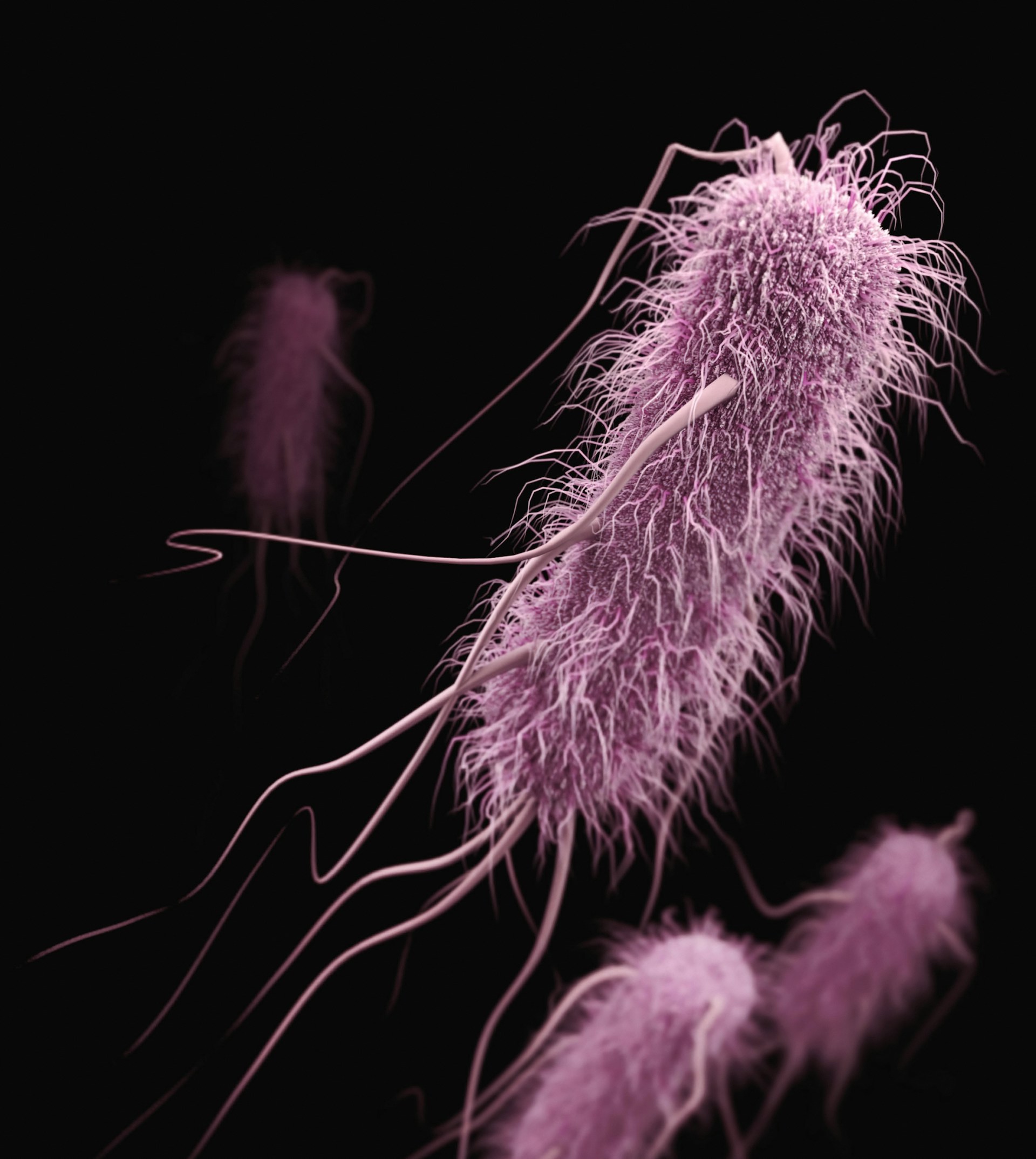

Usually when you think of “virus”, COVID-19 or sneezing or influenza comes to mind. Maybe you think of animals and insects that transfer viruses. But did you know that bacteria is vulnerable to viruses as well? These viruses are called prophages (also sometimes known simply as “phages”), and they have so many scientific applications in the world of microbiology and immunology.
Types of Prophages
The two types of prophages differ primarily in the timing of cell lysis (when the bacteria cell explodes from containing the virus for too long). The methods to which prophages do this are actually quite fascinating; it’s intuitive to them but incredibly clever to the outside eye.
Lytic Cycle Prophages
These prophages are ones that cause lysis quickly. They attach to the outside of the bacteria (the bacterial cell membrane), and inject their genetic material inside. When bacteria isn’t able to fight this off through techniques like CRISPR/Cas9 (also a fascinating genetic technology that you should Google if you have some free time), the viral DNA is encoded with the bacteria’s own DNA.
This means that the bacteria often ends up expressing the viral phage DNA instead of its own bacteria DNA, which creates viral proteins and other components of the phage. In lytic phages, when there are enough viral parts created by the bacteria, the phages inside will cause cell lysis. This explodes the bacterial cell and releases more phages into the environment.
Lysogenic Cycle Prophages
Lysogenic prophages are similar to lytic prophages in how they are injected and embedded inside the bacterial DNA. However, their similarities essentially stop there.
Lysogenic prophages will remain dormant inside the DNA of the bacteria until a stimulus causes it to separate. This means that when the bacteria reproduces naturally, the genetic material of both the bacteria and its viral components are also duplicated into another bacterial cell.
This can cause problems because bacteria reproduces so quickly. There is virtually no way of telling whether or phage DNA is present inside a bacterial cell without lysing all of them.
When conditions become unfavorable for the viral DNA, the prophage will induce itself and switch to the lytic cycle, where it will then quickly leave its host.
Applications of Prophages
Prophages have proven to be key advancements in food, medicine, and biotechnology. They’re currently being researched to see how they can help prevent bacterial resistance to medicine, become an antibiotic that could destroy bacteria on command, and help reduce the amount of food-borne bacteria responsible for food poisoning.
They’re also being researched during the developments of microbial and probiotic treatments, to increase the viability and effectiveness of positive bacterial treatments. After all, it wouldn’t be very much use to develop a treatment if the treatment dies before it works.
Bacteriophages also propose an interesting alternative to antibiotics; they have a much stronger and more targeted effect than regular antibiotics, which bacteria can build a resistance to over time.
There’s still a lot of research to be done in the field of microbiology and immunology regarding the application of bacteriophage research in our every day lives, but these little guys sure have the potential to be a fascinating medical innovation soon!
Sources: 1
Really interesting read – do prophages always harm the bacteria, or can they sometimes be beneficial?
Comments are closed.