

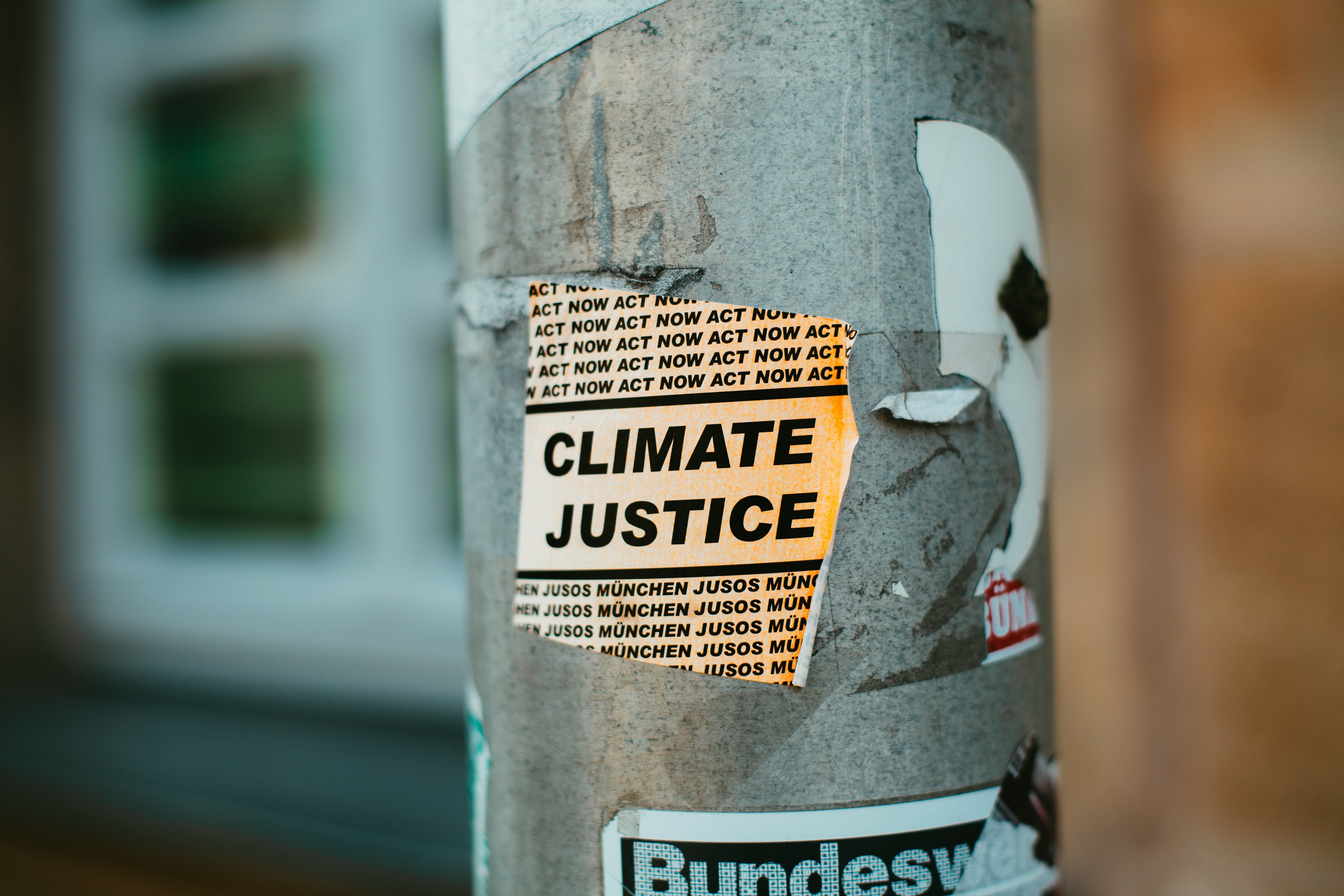
Throughout the 21st century, spanning from the late 2010s to the current day, youth globally have integrated themselves into the the development of policies, while continuously advocating for change in response to the realization that climate change no longer remains simply an environmental issue but one that if not now, but will eventually impact each aspect of our lives, political, social, and ideological. This grassroots movement is a citizen-led, and in particular usually youth-led movement to challenge the government stance, inaction and even continuous contribution to climate change. The movement hit an all time high in 2018, with the rise of youth activist Greta Thunberg, who went on strike from her Swedish school starting the ‘Fridays for Future’ movement. Her actions of civil disobedience, and protest against the Swedish Parliament by skipping 251 weeks of school, spread globally. A single act of defiance from Greta inspired a generation of youth activists and their own mass protests and the international wave of increased democratic engagement. This movement in particular challenges the contradictions within modern democracies, with governments who preach individual rights and freedoms but refuse to do just that: protect life, liberty or freedom.
Advocates say with democracies influence and prioritization of corporate deals, industries, and economic gain, all elected officials no longer serve the people or their civic responsibility, violating their own social contract. Governments have failed to act sufficiently on climate change, and undermine and destabilize the democratic accountability liberalism is built on. This movement is heavily reliant on the courage of bottom-up activism, student campus protests, online organization, and peaceful protest in public places. Especially amplifying the voice of marginalized groups such as the Indigenous community and youth, who have no-say in policy decisions. In response groups such as the ‘Extinction Rebellion’ and ‘Fridays for Future’ formed with the goal of civil disobedience and change to governments response to climate change.
These activists in-turn have received incredible backlash, and are victims to certain acts of illiberalism, such as unwarranted arrest, violence from the police, etc, often with Indigenous activists facing the harshest backlash, being met with violence for protecting their ancestral lands from exploitation. This moment as a whole grows each day, and contributes to reforms developed such as pushing for the proper application of the Paris Accord, carbon taxes, ending fossil fuels subsidies, and all together moving towards an ethical economy based on individual communities.
Even with being met with such backlash, this movement has put the much needed pressure on governments and allowed for global climate change discussions to be continuously brought up into conversation, with allowing climate emergencies to be set in place, and most importantly questioning politicians their stance on climate change. This movement is a representation of how the importance of civic participation, especially in grassroots movements can persuade and show the importance of a true democratic system that values such opinions and voices.
So this is your sign, the climate change movement is an example of a key issue fostered and brought to life and recognised by the world due the work done by youth across the world, like many other important issues. Whatever you believe in, stay firm and remember that each action has a significance and may change minds and most importantly change hearts.